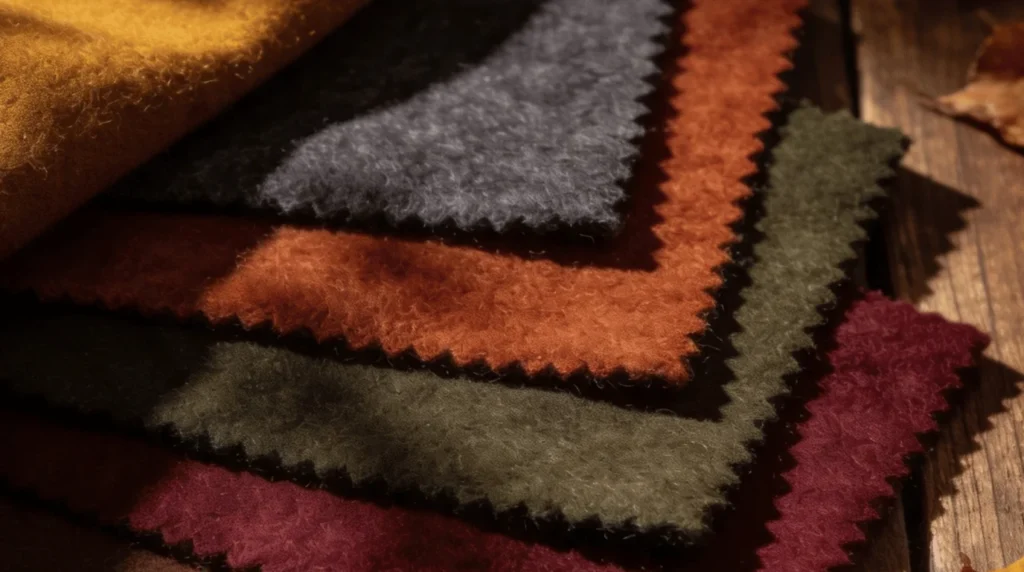

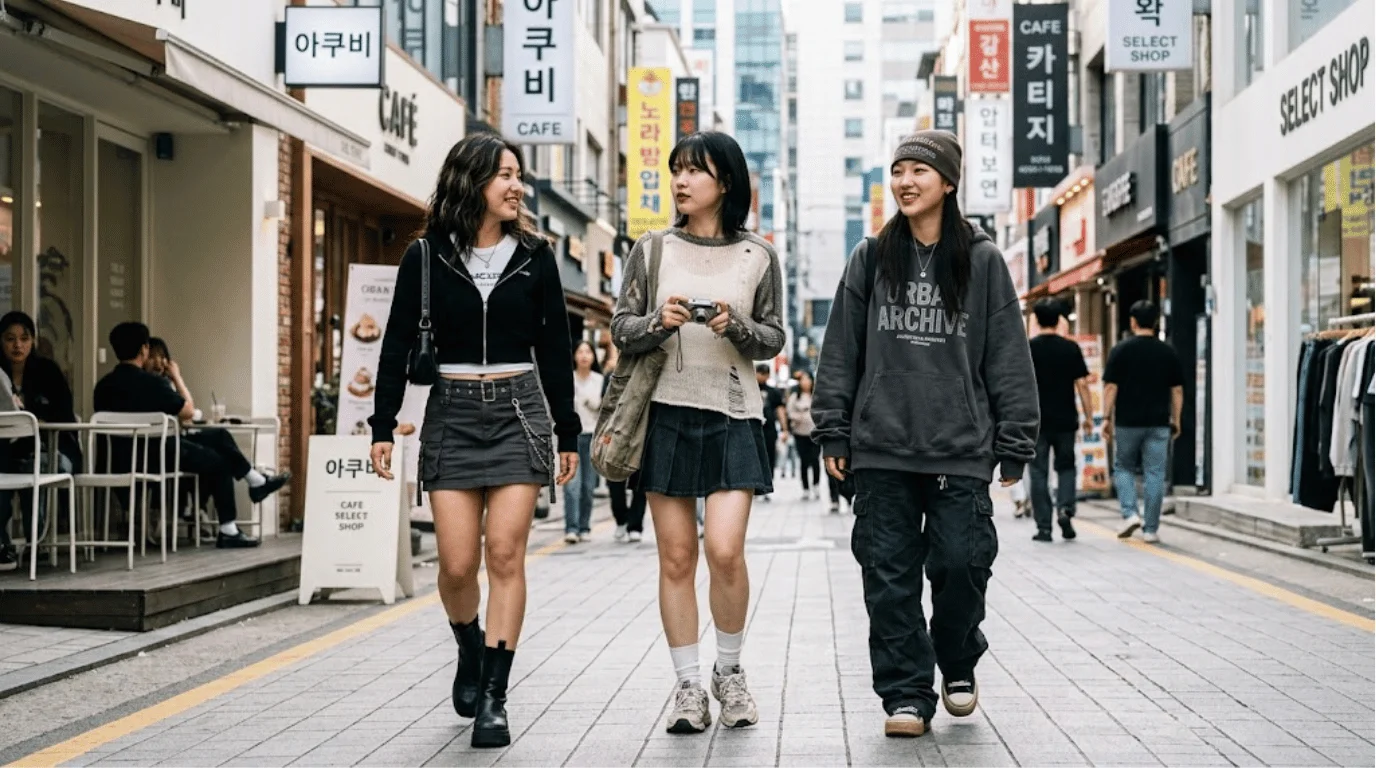
Acubi fashion blends Korean streetwear minimalism with Y2K shapes, muted colors, and deliberate layering. The easiest outfits contrast a fitted top with relaxed bottoms, then add one quiet detail. You can build the look from basics already common in U.S. closets.
| Style element | Practical starting point | What it adds |
|---|---|---|
| Color | Black, gray, cream, brown, washed blue | A controlled base |
| Tops | Fitted tee, tank, thin knit | Shape and contrast |
| Bottoms | Wide jeans, cargos, relaxed trousers | Volume |
| Layers | Bolero, zip hoodie, cardigan, light jacket | Depth |
| Details | Cutouts, asymmetry, sheer panels | A subtle edge |
| Shoes | Sneakers, loafers, boots | A grounded finish |
| Accessories | Small bag, silver jewelry, headphones | Personality without clutter |
Quick answer: The style is easiest to recognize through slim tops, wide denim or cargos, restrained colors, and layered basics. Add one subversive detail, such as an asymmetric neckline, bolero, or sheer panel. The finished outfit should feel casual and slightly futuristic, not costume-like or overloaded.
Key takeaways
| If you remember one thing | Use this rule |
|---|---|
| Proportion matters most | Mix fitted and relaxed shapes |
| Color should stay controlled | Start with two or three muted shades |
| Layering creates the identity | Let one layer visibly change the silhouette |
| Details need restraint | Choose one unusual feature per outfit |
| You do not need a new wardrobe | Start with familiar basics |
Where the Aesthetic Came From
Fashion guides often trace the style to South Korea and link its name to Acubi Club. YesStyle describes the aesthetic through casual minimalism, Y2K references, and subversive basics. CNA Lifestyle also identifies it as a Korean-born style language shaped by streetwear influences.
Social media helped turn a narrow styling formula into a broader global label. Today, people use the term for quiet basics mixed with sharper shapes. That wider meaning explains why current examples range from soft gray layers to darker cargo looks.
9 Acubi Fashion Rules That Make the Look Recognizable
Most successful outfits follow a small group of repeatable choices. You do not need every signature piece at once. The look works best when proportion and restraint handle most of the styling.
- Keep the palette controlled. Start with black, gray, cream, brown, white, or washed denim.
- Balance slim and loose pieces. Styleblor’s baggy clothes guide explains why controlled proportions matter.
- Use visible layers. A tank under a cardigan or fitted tee beneath a hoodie adds depth.
- Choose one unusual detail. Try asymmetry, ruching, a cutout, lace, or a sheer panel.
- Let the bottoms carry volume. Wide jeans, cargos, and relaxed trousers create the easiest silhouette.
- Use texture instead of loud prints. Ribbing, washed denim, mesh, and soft knits add interest quietly.
- Keep accessories selective. A compact shoulder bag and restrained silver jewelry are usually enough.
- Match footwear to the hem. Wider pants need shoes that remain visible beneath the fabric.
- Stop before the outfit feels themed. Removing one extra detail often makes the result feel more natural.
Core Pieces to Start With
Begin with garments you can reuse outside the aesthetic. That keeps your wardrobe flexible and reduces one-trend purchases. The strongest starter pieces also combine easily across different seasons.
| Piece | Easy U.S. wardrobe version | Styling job |
|---|---|---|
| Fitted top | Ribbed tee or tank | Creates definition |
| Wide denim | Relaxed or baggy jeans | Adds lower-body volume |
| Cargo pants | Gray, black, or khaki pair | Adds utility influence |
| Cardigan | Cropped or loose neutral knit | Creates a soft layer |
| Zip hoodie | Gray or charcoal style | Adds casual streetwear shape |
| Small bag | Shoulder or compact crossbody | Keeps accessories controlled |
| Sneakers or boots | Clean sneakers or black ankle boots | Gives the hem a clear finish |
Wide jeans and fitted tops are the easiest starting combination. Waist placement, hem length, and shoe shape decide how that volume actually reads. Styleblor’s summer tops guide also helps you choose breathable options for hotter U.S. weather.
Three Outfit Formulas You Can Build From Basics
You do not need specialty clothing to test this style. Start with pieces you already wear, then change the proportions or layering. These three formulas cover common U.S. weather and everyday settings.
Everyday or Campus Outfit
Wear a fitted charcoal tee with loose washed jeans and simple sneakers. Add a gray zip hoodie that ends near the waistband. Finish with a small shoulder bag and one silver necklace.
This combination works because the top creates definition while the jeans provide volume. The hoodie adds another shape without hiding the entire outfit. You can also swap sneakers for loafers for a cleaner finish.
Warm-Weather Outfit
Start with a fitted cotton tank and lightweight wide-leg trousers. Add an open short-sleeve shirt if you want visible layering. Finish with breathable sneakers or simple flat sandals.
Hot U.S. summers make heavy layering impractical in many regions. Lighter fabric can preserve the same silhouette without unnecessary warmth. Keep the palette muted so fewer layers still feel visually connected.
Cold-Weather Outfit
Pair wide dark denim with a fitted long-sleeve top and cropped knit. Add a roomy jacket that leaves part of the inner layer visible. Finish with substantial footwear that does not disappear beneath the pant hem.
Black footwear works especially well with charcoal, gray, and faded denim. Styleblor’s black boots outfit guide explains how shaft height and hem shape affect balance. A compact bag can keep the heavier winter layers from feeling visually crowded.
How the Look Differs From Y2K and Other Aesthetics
This style borrows several early-2000s silhouettes without copying the period completely. Its color palette is usually calmer, and accessories receive less visual attention. The contrast becomes clearer when you compare neighboring aesthetics side by side.
| Style | Typical palette | Common silhouette | Detail level |
|---|---|---|---|
| Acubi | Gray, black, cream, muted brown | Slim top with relaxed bottom | Controlled and subversive |
| Y2K | Silver, pink, blue, black, bright accents | Low rises, fitted tops, playful shapes | Often more decorative |
| Indie | Faded neutrals plus personal color | Mixed vintage proportions | Individual and collected |
| Mall goth | Black with strong accent colors | Fitted and oversized extremes | Hardware and graphics |
For historical context, Styleblor’s Y2K explainer separates millennium futurism from broader 2000s fashion. Its indie aesthetic guide shows a looser approach built around vintage influence and personal mixing. Those distinctions help you borrow references without treating several separate aesthetics as one style.
Common Styling Mistakes and Easy Fixes
Most mistakes happen because the outfit tries to communicate too many ideas. A restrained palette cannot save five competing statement pieces. Fit also matters because intentionally loose clothing differs from clothing that simply fits poorly.
| Mistake | Why it changes the look | Easy fix |
|---|---|---|
| Everything is oversized | The silhouette loses contrast | Define the waist, shoulder, or upper body |
| Too many unusual details | The outfit becomes busy | Keep one strong detail |
| Loud colors dominate | The palette loses its quiet character | Use color as a small accent |
| Pants drag heavily | Volume looks accidental | Hem them or change shoes |
| Every item is trend-specific | The wardrobe becomes hard to repeat | Mix trend pieces with normal basics |
Buying a larger size does not always create good volume. Garment patterns also control shoulder placement, rise, pockets, sleeves, and hem width. Choose pieces designed to fit loosely whenever possible.
Shop Your Closet Before Buying the Aesthetic
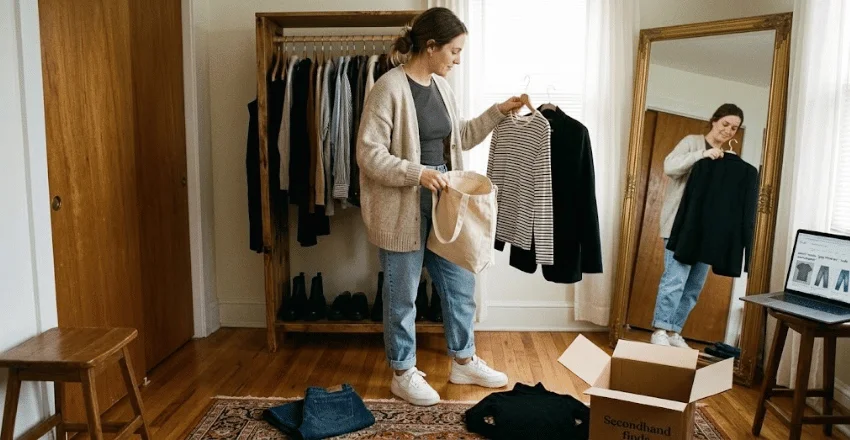
Start by pulling out a fitted tee, roomy jeans, a cardigan, and your most substantial everyday shoes. Try different combinations before deciding that something is missing. You may already own most of the pieces you need for the look.
When you eventually shop, search by garment rather than relying only on aesthetic labels. Terms like “gray fitted tee” or “wide washed jeans” often produce more flexible pieces. This approach also makes secondhand shopping easier and keeps your wardrobe useful after trend cycles change.
Frequently Asked Questions
What Is Acubi Fashion?
It is a Korean-influenced aesthetic built around muted colors, balanced proportions, layered basics, and subtle Y2K references. Fitted tops often appear with wide jeans, cargos, or relaxed trousers. Small subversive details give otherwise simple outfits their distinctive edge.
Is the Style Korean?
Its modern identity is closely associated with South Korean fashion and online style culture. Fashion coverage also connects the name with the Korean label Acubi Club. Global social media later expanded the term beyond one brand or outfit formula.
Can You Wear This Style During a Hot U.S. Summer?
Yes, but replace heavy layers with lighter fabrics and open silhouettes. Try a tank, lightweight trousers, and an unbuttoned cotton or linen shirt. The proportions and muted colors can carry the style without sweaters or heavy jackets.
Do You Need Low-Rise Pants?
No, because the overall silhouette matters more than one waistband height. Mid-rise or higher-rise wide jeans can create the same relaxed lower-body volume. Choose the rise that feels secure and works with your preferred top length.
Is It the Same as Y2K Style?
No, although the two styles share several silhouettes and early-2000s references. Y2K styling can use brighter colors, metallic finishes, logos, and playful accessories. This aesthetic usually edits those references into a quieter and more controlled outfit.
Build One Outfit Before You Buy More
Start with one fitted top and one relaxed bottom from your existing wardrobe. Add a neutral layer, then choose a single detail that changes the mood. Wear that combination first, because real use reveals what your closet needs next.
The goal is not to reproduce a social media image piece for piece. Strong personal style comes from adapting a visual idea to your routine. Once the proportions feel right, you can change fabrics, layers, and accessories without losing the core look.