
If you are learning how to become a model, start with business basics before paying for photos or classes. Pick a modeling category, take clean digitals, research reputable agencies, and submit through official channels. You do not need a college degree or an expensive portfolio to begin. This Styleblor guide uses current U.S. labor and consumer-protection sources to keep your first steps practical and safer.
Quick answer: Choose the kind of modeling that fits your strengths and local market. Take simple, current digitals in natural light, then submit them through reputable agencies or open calls. Practice posing, walking, and taking direction while you gain experience. Never pay an agency upfront to secure representation or guaranteed work.
| Question | Practical answer |
|---|---|
| Formal education required? | No formal educational credential is required for this occupation in the U.S. |
| Best first photos | Clean digitals showing your face, profile, and full body. |
| Agency or freelance? | Agencies are common, while freelance work gives you more control. |
| Portfolio needed on day one? | Usually not; strong submission photos can come first. |
| U.S. median pay | $23.30 per hour in May 2025, according to BLS. |
| Key scam warning sign | Paying upfront to secure representation or promised work. |
Key Takeaways
- Choose commercial, fashion, fitness, parts, plus-size, or another category before applying.
- Start with clear digitals instead of an expensive professional shoot.
- Apply through official agency websites and verified open calls.
- Keep measurements, photos, and contact details current.
- Treat guarantees, rushed contracts, and upfront representation fees as warning signs.
- Expect irregular schedules, rejection, and gaps between paid bookings.
What You Need Before You Start
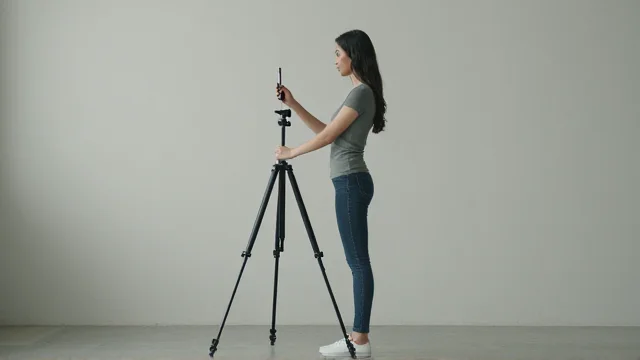
A smartphone camera, natural light, plain clothing, and accurate measurements can cover your first submission. You also need time to research each agency before sharing personal information. Keep a simple record of applications, replies, and follow-up dates.
Start with fitted clothing that shows your proportions without distracting from your appearance. Avoid outfits that hide your outline during basic digitals. Styleblor’s baggy-clothes guide explains how loose proportions change an outfit’s shape and visual balance.
Gather these useful starter items.
- A smartphone with a clean camera lens
- A plain wall or uncluttered background
- Simple fitted clothing and clean shoes
- A flexible tape measure
- Current height, sizes, and contact details
- A spreadsheet or note for tracking submissions
How to Become a Model in 9 Steps
- Choose your modeling category.
- Measure yourself accurately.
- Take clean digitals.
- Build a starter portfolio only when useful.
- Research reputable agencies.
- Submit through official channels.
- Prepare for castings and open calls.
- Review contracts, commissions, and expenses.
- Build credits, relationships, and updated materials.
1. Choose the Modeling Category That Fits Your Market
Modeling includes fashion, runway, commercial, fitness, parts, beauty, e-commerce, showroom, and lifestyle work. Client expectations differ across those categories, and one rejection does not define your options. Choose two or three realistic lanes before sending applications.
2. Measure Yourself Accurately
Agencies commonly request height, clothing sizes, shoe size, and body measurements. Record accurate numbers and update them when they change. Never alter measurements to match a published preference.
3. Take Clean Digitals Before Paying for a Photo Shoot
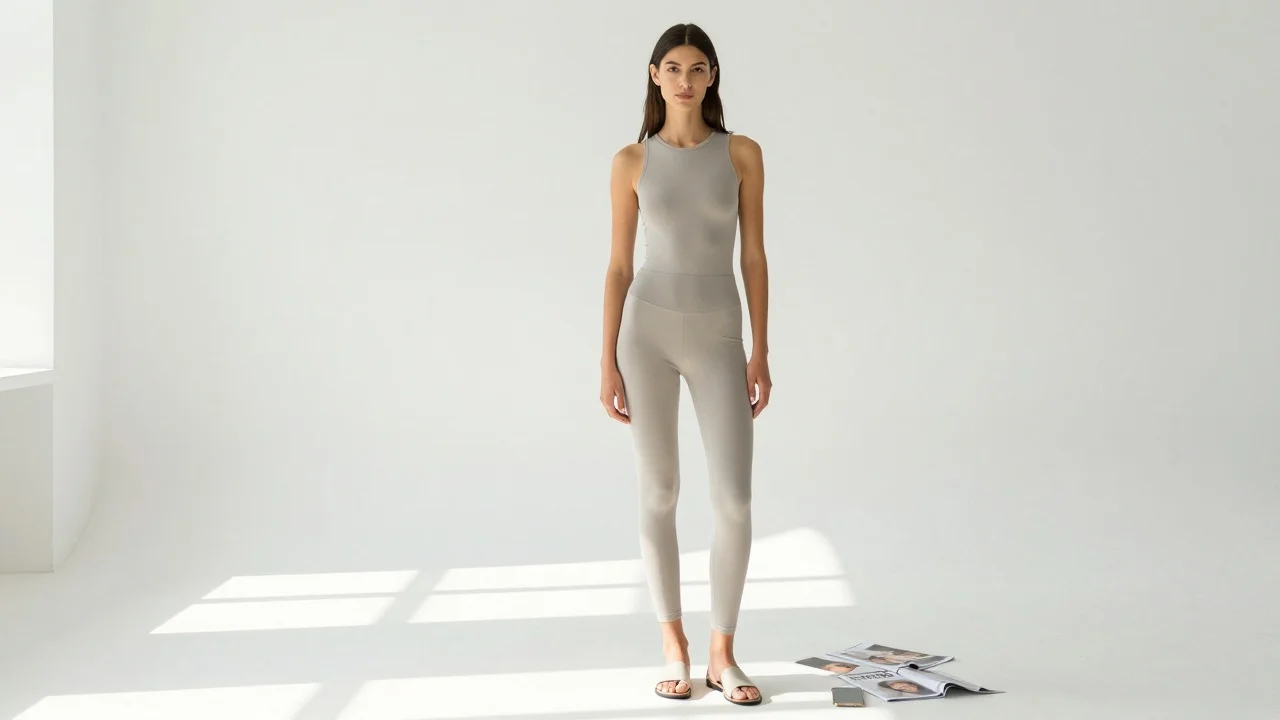
Digitals are simple photos that show your current appearance with minimal styling. Use soft daylight, a plain background, simple hair, and light or no makeup. Include the exact face, profile, and full-length views each agency requests.
4. Build a Starter Portfolio After You Know Your Direction
A portfolio becomes useful once you understand your strongest category and market. Choose test shoots that show range without making you look unrecognizable. Keep fewer strong images instead of filling a book with inconsistent work.
5. Research Agencies Before You Submit
Check each agency’s official website, roster, office details, recent work, and submission instructions. Search the company name with words such as scam, complaint, or review. Avoid representation offers that depend on paying upfront or buying a required photo package.
6. Submit Through Official Channels
Use the website form, published email, or announced open-call process. Send only the materials requested and keep your message brief. Track submissions so you can follow each agency’s resubmission rules.
7. Prepare for Castings and Open Calls
Practice basic poses, turns, facial changes, and taking direction without overperforming. Wear simple, well-fitting clothes unless the casting notice says otherwise. Styleblor’s interview-outfit guide offers a useful rule: dress for the setting while keeping attention on you.
8. Review Contracts, Commissions, and Expenses
Read exclusivity, contract length, commission, expenses, image usage, and termination terms before signing. Ask for clear answers about any fee you do not understand. Consider independent legal advice when a contract creates major financial or exclusivity obligations.
9. Build Experience and Keep Your Materials Current
Early jobs may include e-commerce shoots, local campaigns, showroom work, events, or creative tests. Use each booking to improve timing, communication, posing, and set awareness. Update digitals after a major appearance change or when an agency requests fresh images.
Agency Representation vs. Freelance Modeling
| Factor | Agency representation | Freelance modeling |
|---|---|---|
| Job access | Agency submits you to clients | You find and pitch opportunities |
| Negotiation | Agency may negotiate terms | You handle rates and usage |
| Commission | Agency takes an agreed share | No agency commission |
| Administration | Some support is provided | You manage bookings and invoices |
| Beginner difficulty | Often easier for client access | Requires stronger self-promotion and vetting |
Both routes can work, but they place responsibility in different places. BLS says clients often prefer working through agencies, which can make freelance entry harder. Freelancing offers more control, but you must vet every client and contract yourself.
Agency representation can also help with submissions, scheduling, and negotiations. Freelance work requires stronger record-keeping and direct client communication. Compare the support, restrictions, and costs before committing to either route.
How Much Do Models Make in the United States?
The U.S. Bureau of Labor Statistics reported median pay of $23.30 per hour in May 2025. It counted about 4,200 jobs in 2025 and projects roughly 700 openings yearly through 2035. Those figures describe the occupation broadly, not guaranteed beginner earnings.
Work can be part-time, irregular, and unpredictable. Pay changes by client, market, usage rights, experience, and job type. Build your budget around inconsistent bookings rather than assuming steady weekly income.
Use This 10-Minute Agency Credibility Check
Before submitting, check the company from several angles. Confirm that its website, office details, roster, and contact information are consistent. Then compare any big claims with recent public work and independent complaints.
Use this checklist before sharing money or sensitive information. Keep it beside your application tracker for every new contact. A five-minute verification can prevent a costly mistake.
- The submission page is on the agency’s official domain.
- The company shows current talent, staff, and real contact details.
- The representative does not promise guaranteed bookings.
- You are not asked to pay upfront to secure a spot.
- You are not forced to use one photographer or class provider.
- You have time to read the contract before signing.
The Federal Trade Commission’s consumer advice on modeling scams states that a legitimate agency does not charge an upfront fee for representation or promise guaranteed work. It also recommends researching companies and getting promises in writing. Verify unexpected messages through a separate official contact channel before continuing.
If You Are Under 18
Bring a parent or guardian into agency meetings, casting discussions, and contract reviews. Do not meet an unknown scout alone or share sensitive information privately. Keep communication inside official channels whenever possible.
Rules for minors differ by state and entertainment category. The U.S. Department of Labor lists state child-entertainment provisions, including permits in many states. Check the rules where the work will happen before accepting a booking.
Frequently Asked Questions
Can You Start Modeling With No Experience?
Yes, beginners can submit to agencies without paid credits. BLS says no formal educational credential is required for this occupation. Agencies can evaluate new applicants through photos, interviews, open calls, and current client needs.
Do You Need a Certain Height or Body Type?
There is no single requirement for every modeling category. Fashion clients may use narrow measurements, while commercial and lifestyle work can use different criteria. Focus on categories that fit your current appearance instead of one industry’s sample standard.
Can You Work Without an Agency?
Yes, freelance talent can find jobs directly through clients, brands, photographers, and casting platforms. You must handle contracts, rates, invoices, usage terms, and safety checks yourself. That added responsibility can make freelancing harder without an established network.
How to Become a Model Without Spending Much Money?
Start with a phone camera, daylight, plain clothes, and free agency submission forms. Avoid expensive portfolios until credible feedback shows professional tests would help your market. Never confuse paying for optional services with paying an agency to promise work.
Your Next Step
Choose one category and list five reputable agencies that represent it. Read every submission page, then take only the photos those agencies request. This gives you a focused first week instead of a costly guessing game.
Keep your appearance consistent while active submissions are under review. If you are considering a major haircut, plan it before taking new digitals. Styleblor’s short-hair guide can help you weigh maintenance and timing before changing your look.