
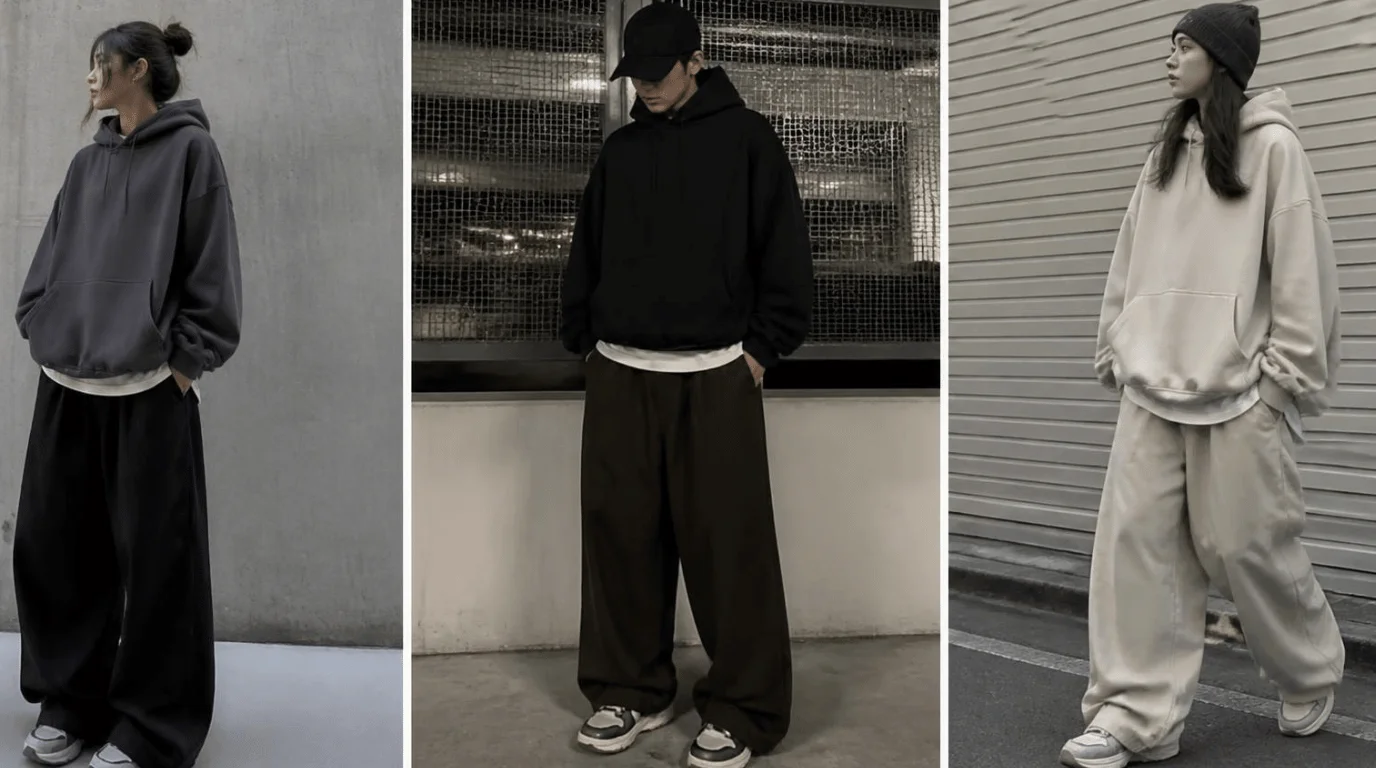
Baggy clothes have moved beyond one streetwear trend or one nostalgic decade. In 2026, the strongest outfits use relaxed proportions with enough structure to make the volume look deliberate. The goal is not to wear the largest pieces you can find, but to control fit, length, shape, and footwear.
| Style question | Practical answer |
|---|---|
| Best starting piece | Relaxed or wide-leg jeans |
| Easiest top pairing | Fitted tee, tank, knit, or cropped jacket |
| Key fit point | The waist, shoulders, or hem should look intentional. |
| Best casual shoes | Sneakers, loafers, boots, or structured flats |
| Best way to add shape | Tuck, crop, belt, or shorter outer layer |
| Main mistake | Wearing the wrong size instead of an intentionally loose cut |
| 2026 direction | Relaxed volume with cleaner, more controlled proportions |
Quick answer: A successful loose-fit outfit needs one clear visual anchor, such as a fitted waist, defined shoulder, clean hem, or substantial shoe. You can wear one roomy piece or go loose from head to toe. The difference between relaxed and sloppy usually comes down to proportion, garment length, and purposeful fit.
Key takeaways
- Start with one loose piece if oversized styling feels unfamiliar.
- Fit the waist or shoulders even when the rest of the garment is roomy.
- Match shoe shape to the width and length of your pants.
- Full-volume outfits work best when colors and layers stay controlled.
- Tailoring a hem or sleeve can make an inexpensive loose piece look more intentional.
- In 2026, moderate relaxed fits can look as current as extreme oversized silhouettes.
What the Loose-Fit Style Means in 2026
Loose clothing covers several related silhouettes, including relaxed, wide-leg, oversized, slouchy, and boxy fits. A garment can be intentionally roomy without being several sizes too large, because designers can build extra width directly into the pattern. That distinction matters when you shop, since buying a larger size may also move the shoulders, rise, pockets, and sleeves into the wrong positions.
Current fashion coverage also shows that one extreme silhouette no longer defines the trend. Vogue’s spring 2026 denim report includes relaxed baggy denim alongside bootcut, tailored, slim, and other proportions. GQ’s fall 2026 fit report similarly points toward a less exaggerated, 1990s-inspired middle ground in menswear.
That variety makes the trend easier to adapt to an American everyday wardrobe. You can wear roomy denim in New York, loose chinos at a casual office, or an oversized sweatshirt for a weekend without dressing around one strict aesthetic. The most current approach is to choose the amount of volume that works with your routine rather than chasing maximum width.
Loose silhouettes also carry cultural history that reaches well beyond today’s social media styling. The Smithsonian’s National Museum of African American History and Culture documents baggy jeans and other relaxed pieces within 1990s hip-hop and R&B style. The later early-2000s revival also overlaps with the nostalgia covered in Styleblor’s guide to what Y2K means.
How to Style Baggy Clothes Without Looking Sloppy
Start by checking three anchors: shoulders, waist, and hem. At least one should give the eye a clear sense that the fit was chosen on purpose. If every point hangs too low, twists, bunches, or drags, the outfit can look like the clothing is the wrong size.
| Anchor | What to check | Easy fix |
|---|---|---|
| Shoulders | Seams or dropped shoulders look deliberate. | Choose a boxy cut instead of sizing up repeatedly. |
| Waist | Pants stay in place without heavy bunching. | Use the correct waist size or add a belt. |
| He | Fabric breaks or stacks where you want it | Hem, cuff, or change footwear. |
| Top length | The shirt ends at a useful proportion. | Tuck it, crop it, or add a shorter jacket. |
| Shoes | Footwear does not disappear under the pants. | Pick a stronger sole or shorten the hem. |
Think of this as a three-anchor test rather than a rule that everything loose must be balanced by something tight. A wide pant can work with an oversized shirt if the shirt has crisp shoulders and the trousers sit correctly at the waist. A huge sweatshirt can also work with roomy denim when the hem and shoes create a clean ending.
10 Ways to Style Loose Fits in 2026
- Pair wide jeans with a fitted tee. This is the easiest starting formula because the top gives the outfit a clear shape while the denim supplies volume.
- Use a cropped jacket over loose pants. The shorter layer creates a visible break around the waist without requiring a tight top underneath.
- Tuck part of an oversized shirt. A front or full tuck can show where the waist sits while allowing the rest of the fabric to drape naturally.
- Match a boxy tee with straight-relaxed pants. Keeping the pants roomy rather than enormous lets both halves of the outfit stay casual without becoming shapeless.
- Add structure with a blazer. A defined shoulder can make wide denim or soft trousers feel suitable for dinner, a creative office, or a polished weekend look.
- Keep an all-loose outfit in a controlled palette. Black, gray, navy, cream, brown, or tonal denim lets the silhouette stand out without adding visual clutter.
- Let one layer be longer than the others. A long coat over a shorter knit creates depth while keeping the body line easy to read.
- Use a belt as a visual boundary. It can define the waist on wide trousers, oversized shirts, or layered looks without changing the relaxed character.
- Choose shoes with a clear shape. Sneakers, loafers, boots, or pointed styles can create the firm base that wide hems often need.
- Alter length before replacing the garment. Shortening sleeves or hemming trousers can turn a nearly right secondhand piece into a much cleaner fit.
Easy Outfit Formulas for Everyday U.S. Style
You do not need a separate wardrobe for this silhouette. Most useful combinations start with familiar basics and change the proportions, which keeps the outfit wearable outside a trend cycle. These formulas can cover errands, college, casual work settings, travel, weekends, and evenings.
| Setting | Outfit formula | Why it works |
|---|---|---|
| Weekend | Wide jeans + fitted tee + sneakers | Clear top-to-bottom contrast |
| Campus | Loose cargos, a sweatshirt, and retro sneakers | Comfortable with a strong shoe base |
| Casual office | Relaxed trousers + tucked shirt + blazer + loafers | Structure controls the volume. |
| Night out | Dark wide jeans + fitted knit + pointed shoes | Longer line with a sharper finish |
| Cold weather | Loose pants + knit + cropped jacket + boots | Layering without hiding every proportion |
| Alternative style | Black wide pants + graphic tee + chunky boots | Strong silhouette and controlled color |
You can push these formulas toward different aesthetics without rebuilding the outfit. Dark hardware and platform footwear can move the idea toward Styleblor’s mall goth style, while vintage layers and worn-in basics can support an indie aesthetic. The silhouette stays useful even when your personal style changes.
Choose Shoes Based on the Hem, Not a Trend List
Footwear matters because a wide pant creates a larger frame around the foot. A long, broad hem can hide a delicate shoe, while a cropped or slightly narrower loose trouser leaves more room for a slim fit. This is why the same sneakers can look balanced with one pair of jeans and undersized with another.
Current Glamour footwear guidance shows how broad the options can be, from loafers and sneakers to slingbacks and Mary Janes. The useful rule is to look at the hem width, hem length, and shoe together rather than treating one footwear category as mandatory.
If your jeans stack heavily over the foot, try a sneaker, skate shoe, boot, or other style with enough presence to remain visible. For a cleaner break, loafers, slim sneakers, flats, or pointed shoes can work well. Hem length often changes the result more than the shoe price or brand.
Yes, You Can Wear Volume on Top and bottom.
The old advice to pair every loose bottom with a tight top is useful for beginners, but it is not a law. Full-volume dressing works when separate pieces still have visible structure, such as a clean shoulder, waistband, collar, cuff, or hem. It also helps when one layer is shorter, darker, firmer, or more textured than the other.
For example, try a roomy Oxford shirt with wide trousers and loafers, but make sure the pants sit securely at the waist. An oversized hoodie can work with broad denim when the shoes have enough visual weight, and the jeans do not drag. Keeping the palette simple gives the eye fewer competing details to process.
This approach works especially well with vintage and alternative wardrobes. Styleblor’s indie outfit guide shows how relaxed denim, graphic tops, and layered pieces can work together without looking like a matching set. The key is creating hierarchy rather than forcing every garment into the same size or shape.
Fit Matters More Than Your Height or Body Type
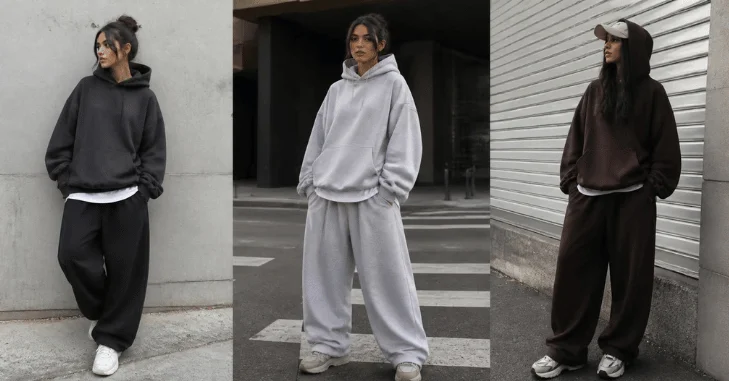
Loose silhouettes can work across heights and body shapes because proportion is adjustable. A shorter person may prefer a higher rise, shorter jacket, or controlled hem, while a taller person may enjoy longer stacking and deeper layers. Neither choice is a fixed rule, because inseam, torso length, footwear, and personal preference change the result.
Start by judging the garment at its structural points rather than asking whether your body is “right” for the trend. A waistband should stay where you want it, and a shoulder line should look deliberately fitted or deliberately dropped. From there, adjust sleeve and trouser length so the extra fabric creates shape instead of getting in your way.
If standard sizing gives you the right width but the wrong length, alteration can be more useful than abandoning the style. Petite, tall, and different-rise options can also reduce the amount of adjustment needed. Comfort matters, but intentional fit is what makes comfort look polished.
What to Buy First
Start with one item that can work with clothing you already own. Relaxed jeans, wide trousers, a boxy tee, an oversized button-down, or a roomy sweatshirt are easier to repeat than a highly specific statement piece. Wear it in three outfits before adding another loose item, since that test shows whether the silhouette fits your real routine.
Secondhand stores can be useful because older denim, workwear, sweatshirts, and men’s shirting often provide natural volume. Look beyond the size tag and check the actual waist, shoulder, rise, inseam, and fabric drape. A well-chosen thrifted piece may need a small alteration, but it should not require constant adjusting while you wear it.
Comfort-focused hybrids can also work if you want a softer entry point. Styleblor’s guide to sweatpant jeans covers denim-look pants that combine relaxed silhouettes with softer construction. The same principle applies: judge the drape, waistband, hem, and intended setting before buying.
Frequently Asked Questions
Are baggy clothes still in style in 2026?
Yes, relaxed fits remain visible in 2026 fashion, especially in denim and casual dressing. The newest direction is broader than one extreme silhouette, with straight, tailored, slim, and loose options appearing together. That makes proportion and personal fit more useful than chasing the widest possible garment.
What is the difference between baggy and oversized clothing?
“Baggy” usually describes a roomy silhouette, especially through areas such as the leg, body, or sleeve. “Oversized” often describes a garment designed to look larger in scale, including dropped shoulders or expanded proportions. The terms overlap, so the garment’s actual cut matters more than the label.
How do you make loose clothing look intentional?
Check the shoulders, waist, hem, and shoes before adding accessories. At least one of those points should create a clear visual boundary or fitted anchor. Clean fabric condition and suitable garment length also make relaxed outfits look more purposeful.
Can you wear an oversized top with wide-leg pants?
Yes, especially if the pieces have different lengths, textures, or levels of structure. A shorter jacket, visible waistband, firm collar, or substantial shoe can keep the outfit readable. A controlled color palette can also prevent large proportions from competing with each other.
What shoes work best with loose or wide jeans?
The best choice depends on the width and length of the hem. Sneakers and boots work well with heavier stacking, while loafers, flats, and pointed shoes suit cleaner breaks or less extreme width. Judge the pants and footwear as one silhouette rather than choosing shoes in isolation.
Build One Outfit Before You Rebuild Your Closet
Begin with the loosest piece you already own and style it three different ways. Change the top length, shoe shape, tuck, or outer layer before buying something new, because those small adjustments can change the whole proportion. Once you know which level of volume feels natural, you can add relaxed pieces that work with your wardrobe instead of replacing it.
Your next outfit can stay simple:
- Pick one relaxed piece you already like.
- Check its shoulder, waist, and hem.
- Add footwear that suits the width and length.
- Change only one proportion if the outfit feels off.
- Photograph the result so you can compare combinations later.