
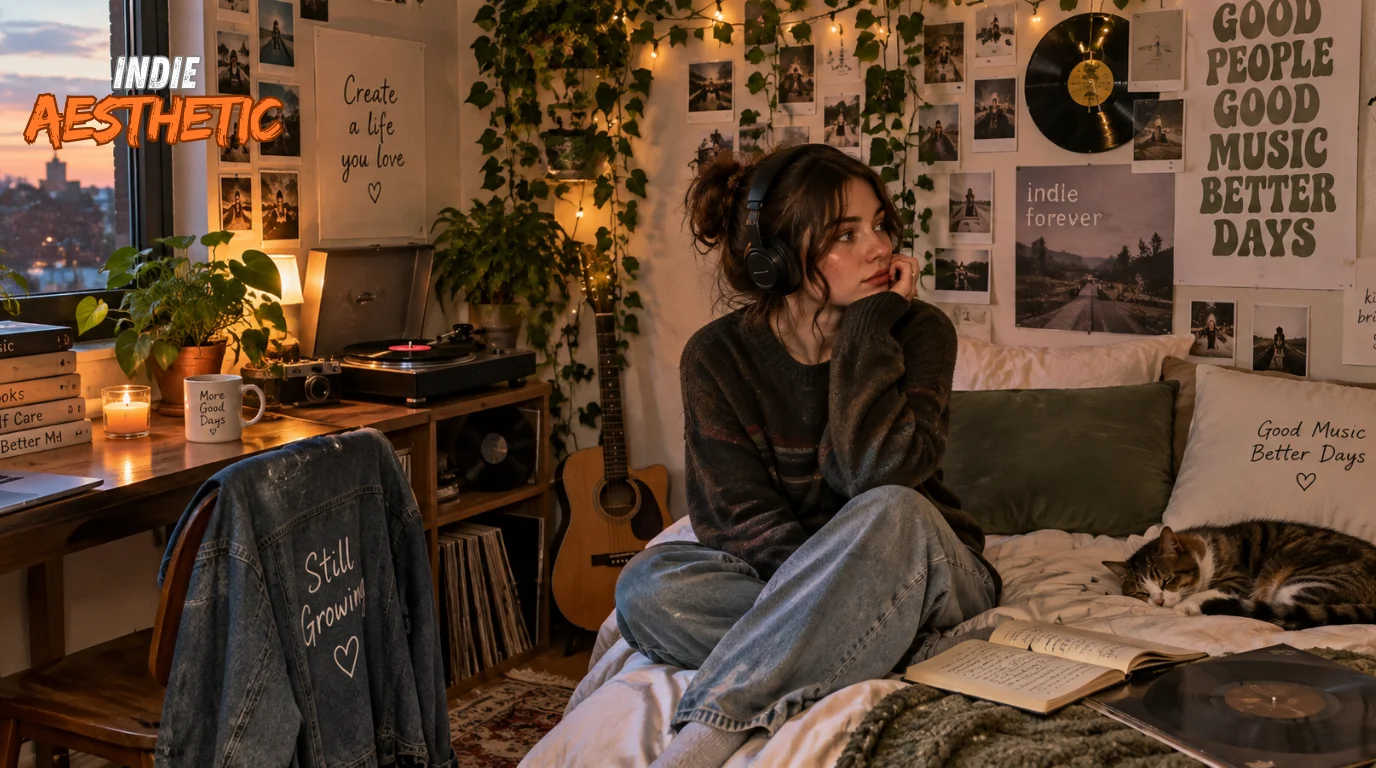
The indie aesthetic is less about buying a prescribed wardrobe and more about making familiar clothes feel personal. Vintage denim, graphic tees, textured knits, worn-in shoes, and unexpected accessories often appear, but individuality matters more than following a fixed checklist.
At its best, the look feels collected rather than purchased all at once. That makes it easy to adapt for everyday life in the US, whether you shop vintage, mix old pieces with new basics, or build outfits from what is already in your closet.
| Indie Aesthetic Style element | Easy starting point | What it adds |
|---|---|---|
| Tops | Graphic tee, baby tee, striped knit | Personality and color |
| Bottoms | Straight jeans, baggy denim, mini skirt | A relaxed vintage base |
| Layers | Cardigan, flannel, leather jacket | Texture and contrast |
| Shoes | Sneakers, loafers, black boots | A grounded finish |
| Accessories | Tote, belt, layered jewelry | Individual detail |
| Color | Faded neutrals plus one accent | A collected, less-matched feel |
In short: this style combines independent-minded dressing with vintage, alternative, and nostalgic references. Instead of copying one era, choose a few pieces you genuinely like, vary the proportions, and add one personal detail. The strongest outfits look like your wardrobe developed over time rather than arriving as a matching set.
What the Indie Aesthetic Means in Fashion
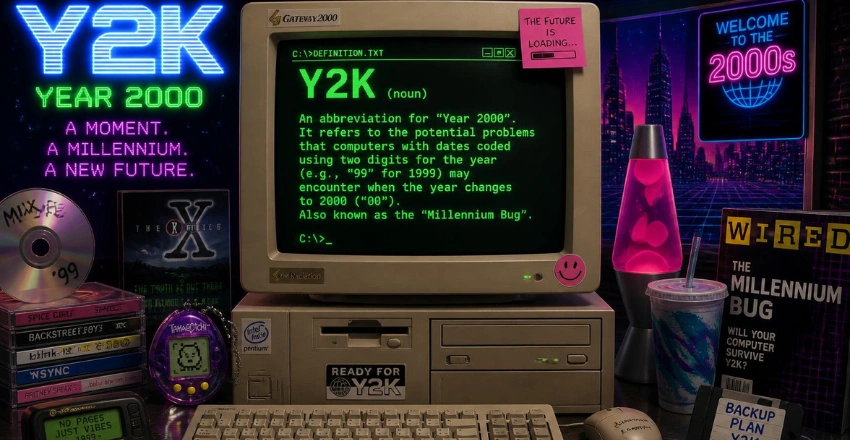
The term comes from the idea of independence, and its fashion associations have long overlapped with independent music and alternative culture. Teen Vogue describes mid-2000s indie style as closely tied to music, vintage shopping, individual interests, and subcultures such as twee, boho, and sleaze. We cover this in more depth in What does y2k mean.
Today, the label covers more than one visual direction. Some versions favor dark denim, plaid, leather, band-inspired graphics, and slim silhouettes. Others borrow from Y2K dressing, opting for baggier jeans, colorful tops, chunky shoes, and playful accessories.
That flexibility is useful. You do not have to look like a 2008 photograph or recreate a social media mood board, piece by piece.
Start With Five Building Blocks
A practical wardrobe does not need dozens of theme-specific purchases. Start with pieces that can work outside this style too. First, find one interesting top. A faded graphic tee, fitted baby tee, ringer shirt, striped sweater, or unusual vintage blouse gives the outfit a focal point.
Next, add denim or another familiar bottom. Straight jeans feel timeless, while loose or wide-leg denim pushes the outfit toward a newer interpretation. A plaid or washed mini skirt works when you want more contrast. For a softer direction, borrow texture from Styleblor’s guide to modern boho style.
A crochet layer, soft blouse, fringe detail, or easy fabric can loosen a denim-heavy outfit without making it feel overly coordinated. Then choose a layer. Oversized cardigans, worn flannels, cropped jackets, and roomy blazers add more depth to simple outfits.
Finish with shoes and one personal accessory. Black footwear is especially easy to repeat across several formulas; Styleblor’s black boots outfit guide offers practical combinations for denim, skirts, dresses, and relaxed layers.
8 Indie Outfit Formulas You Can Make Your Own
These formulas are starting points, not uniforms. Change the fit, color, shoe, or accessory until the result feels like you.
1. Graphic Tee + Straight Jeans + Cardigan
Choose a tee that says something about your taste rather than one bought solely for the look. Add faded straight-leg jeans and a roomy cardigan. Finish with sneakers, loafers, or ankle boots. Either a canvas tote or a few rings provides enough detail.
2. Baby Tee + Baggy Denim + Retro Sneakers
This combination leans toward the colorful indie kid aesthetic seen in newer online styling. Keep the jeans loose and the top closer to the body so the proportions feel balanced. Try one bright color rather than matching several shades exactly.
3. Plaid Skirt + Knit + Boots
A short plaid skirt pairs well with an oversized sweater or a fitted knit. Add tights when temperatures drop. Choose heavier footwear if the top feels soft. That contrast keeps the outfit from reading as overly sweet.
4. Vintage Tee + Leather Jacket + Dark Denim
This is an easy route into the more rock-influenced side of indie fashion. Keep the jacket and jeans simple, then let the tee carry the personality. Avoid stacking every expected detail. One strong reference usually looks more natural than five.
5. Slip Dress + Oversized Cardigan + Worn Sneakers
A fluid dress adds movement to the outfit, while a relaxed knit makes it less formal. If you are comparing fabrics, Styleblor’s guide to how flowy dresses drape explains how fiber, weave, fabric weight, and cut affect movement.
6. Micro Shorts + Oversized Shirt + Boots
For warm weather, balance a short hem with a roomier upper layer. A boxy tee, loose button-down, or jacket can create that contrast. Styleblor’s micro shorts outfit ideas also cover proportion, footwear, and comfort checks for shorter silhouettes.
7. Mini Dress + Tights + Beat-Up Jacket
This combination moves toward indie sleaze without requiring a costume. Try a simple dress, dark tights, and a jacket with some wear or texture. The point is slight imperfection. Room 3000’s recent discussion of the sleaze revival also emphasizes an intentionally less-polished effect.
8. Loose Trousers + Ringer Tee + Personal Accessories
This is one of the easiest versions for everyday errands, campus, coffee runs, or casual plans. Use accessories to make the outfit yours: a vintage watch, an unusual belt, a small pendant, a thrifted bag, or old sneakers can carry more character than another trend piece.
How to Keep the Look Personal Instead of Costumed
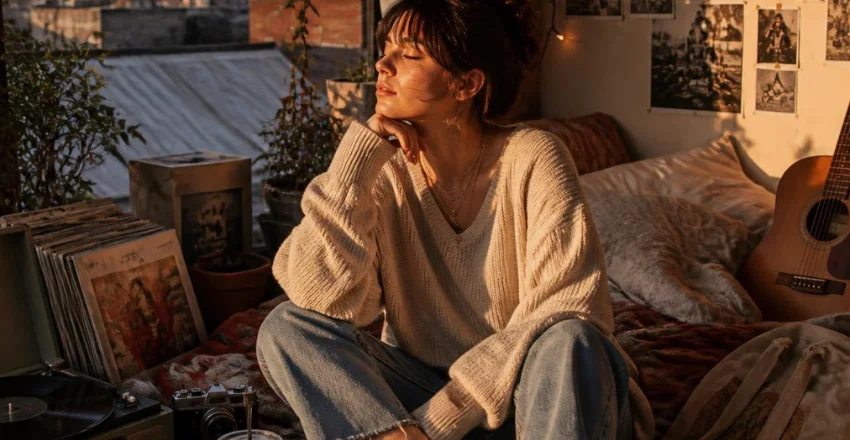
The easiest mistake is buying every recognizable piece at once. A band tee, plaid skirt, chunky shoe, beanie, layered necklaces, vintage camera bag, and colored tights may each work. Wearing all of them together can make the reference louder than the person wearing it.
Use a simple 70/30 rule instead. Let roughly 70 percent of the outfit come from normal wardrobe basics. Use the remaining 30 percent for the unusual texture, vintage reference, color, graphic, or accessory.
For example, start with straight jeans, a white tee, and everyday shoes. Swap the plain tee for a faded graphic one, add an old cardigan, and stop there. That approach also makes shopping cheaper because you are filling gaps rather than buying an entirely new identity.
Color: Muted, Bright, or Both?
There is no single correct palette. Current guides show both earthy, vintage-leaning colors and brighter Y2K-inspired combinations. For an easier everyday formula, start with faded blue, charcoal, cream, brown, black, olive, or burgundy. Add one brighter shade such as red, cobalt, lime, or pink.
If you prefer softer styling, romantic touches can cross over too. A lace-trim cami, small bow, or Mary Jane can work when the rest stays relaxed. Styleblor’s coquette outfit guide shows how to ground delicate details with denim, knitwear, or tailoring.
Thrift First, Then Fill the Gaps
Secondhand shopping naturally suits this look because variation is part of the appeal. Search by garment rather than by aesthetic name. Instead of typing “indie outfit,” look for “striped wool cardigan,” “faded graphic tee,” “straight vintage jeans,” or “brown leather shoulder bag.” Specific searches often produce pieces with more character.
Check fit and condition before chasing a label. A great old jacket that works with six outfits is more useful than a supposedly perfect trend item that only matches one photo. You can also alter inexpensive finds. Hemming trousers, cropping a tee, replacing buttons, or adding pins can make a basic piece feel personal without rebuilding your closet.
Build One Outfit Before You Buy Anything
Open your closet and choose one piece with personality. Add two familiar basics and one contrasting layer. Then change the shoes or accessories until the outfit feels like you. That is a better starting point for the indie aesthetic than buying a prebuilt set. The goal is not to look perfectly “indie.” It is to make your clothes reveal more of your own taste.
FAQ
It is a personal style associated with independent and alternative culture, vintage influence, music references, and self-expression. Modern versions can include grunge, Y2K, bohemian, colorful, or late-2000s elements, so there is no single uniform.
Common pieces include graphic tees, vintage denim, cardigans, plaid, leather jackets, mini skirts, loose jeans, sneakers, boots, and distinctive accessories. The exact mix depends on the version you prefer.
No. The two can overlap, especially through plaid, worn denim, darker colors, and references to alternative music. Grunge has a more specific cultural and visual history, while the broader indie label includes several different directions.
Indie kid styling tends to use brighter colors, oversized denim, Y2K references, playful graphics, and chunky footwear. The sleaze version draws more heavily from late-2000s nightlife, skinny silhouettes, leather, tights, smudged styling, and intentionally undone details.
Yes. Start with clothes you own, then use thrift stores, vintage shops, resale platforms, swaps, and alterations to fill specific gaps. Building slowly also makes the wardrobe feel more individual.