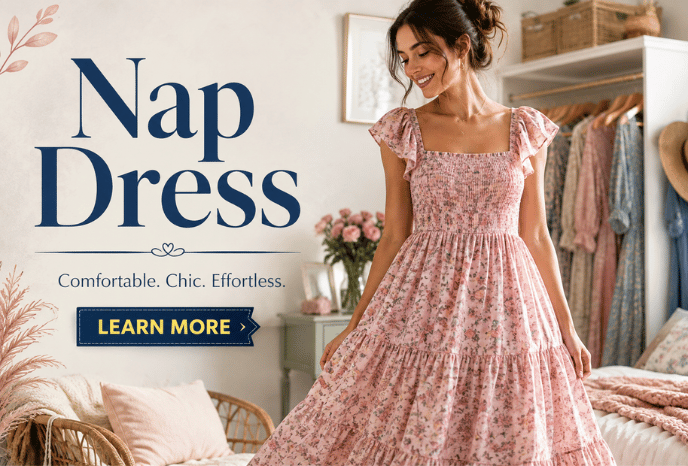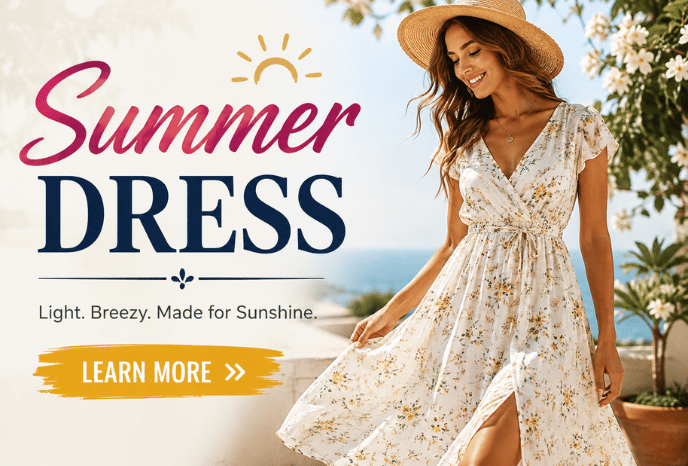

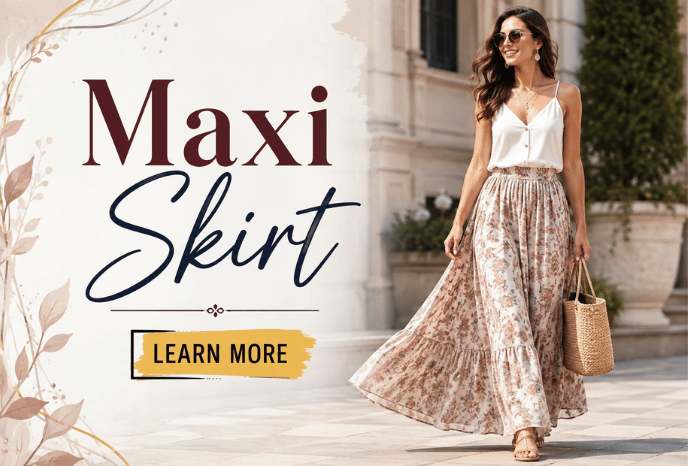
The bias-cut slip is the maxi skirt worth buying first. It hangs from the hip instead of gripping it, works with flat sandals in July and tall boots in November, and costs about half what the leather versions do. Everything else on this list is a second purchase.
A maxi skirt is any long skirt whose hem falls between mid-calf and the floor, and most brands cut one 36 to 42 inches from waist to hem. Pick the fabric for how much it swings. Set the hem so it clears the floor by half an inch in the shoes you wear, then match every other pair to that hem.
The Six Maxi Skirt Shapes, Ranked
Ranked by how many days a year you will reach for it, not by how it photographs.
| Maxi skirt shape | How it moves | Best shoe | Typical US price |
| Bias-cut slip | Liquid, follows the hip, adds no width | Flat sandal or slim boot | $50 to $130 |
| A-line woven | Steady, holds a soft triangle | Loafer or block heel | $40 to $90 |
| Tiered cotton | Full swing, extra volume at each seam | Sneaker or flat sandal | $45 to $120 |
| Pleated | Swings from the waist, adds width at the hip | Ankle boot | $40 to $160 |
| Denim column | Stiff, narrow, barely moves | Sneaker or western boot | $60 to $180 |
| Leather or coated | Heavy, holds its own shape | Heeled boot | $150 to $400 |
- Bias-cut slip. Cut the diagonal, so the fabric stretches around the body and falls in a narrow line. It reads dressy with heels and completely ordinary with sneakers, which is why it earns the most wear.
- A-line woven. The safe one. Cotton poplin or a linen blend, flat at the waist, widening gently to the hem, and it never clings on a humid day.
- Tiered cotton. Two or three gathered panels, lots of movement, and the most forgiving shape to size. Each seam adds volume, so keep the top half narrow.
- Pleated. The fold type decides how much width lands on your hip, and knife folds add far less than box folds. Our pleated skirt breakdown has the volume math if you want the numbers before your order.
- Denim column. Heavy, stiff, and flattering standing still. Check the hem sweep before you buy, because a straight denim cut is where the stride problem below shows up first.
- Leather or coated. Beautiful in November, useless in June, and the one shape we’re paying more genuinely buys a better garment.
Key Takeaways
- Hem clearance: half an inch above the floor, measured in the shoes you wear most.
- Most long skirts run 36 to 42 inches from waist to them, so a frame under 5 feet 4 usually needs 3 to 5 inches taken off.
- Hem circumference under 50 inches means short, careful steps. Look for 55 inches or slit.
- Fabric weight matters more than print: under 4 ounces per square yard clings and needs a lining.
- US price bands: $35 to $50 mass market, $90 to $180 contemporary, $230 and up designer.
Maxi Skirt: Where the Hem Should Land
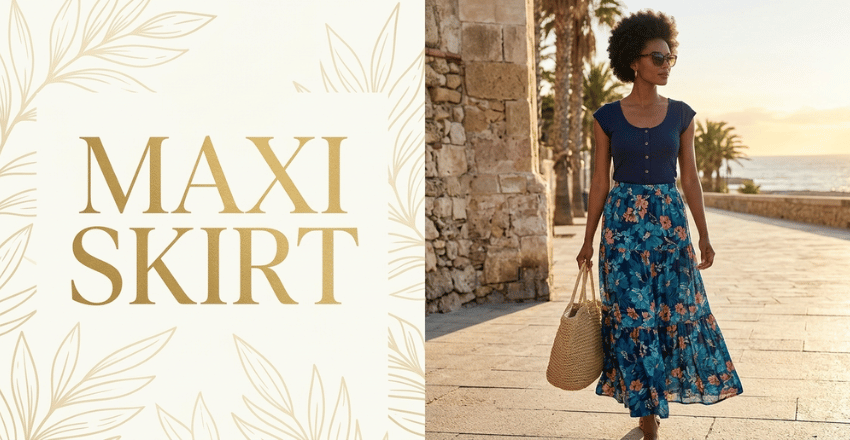
Floor length reads formal and needs a heel to stay off the sidewalk. An ankle-length maxi skirt is the everyday version: it clears curbs, escalators, and puddles, and it looks right with flats.
Anything stopping at mid-calf is a midi in disguise, and on a shorter frame it cuts the leg at its widest point. Measure from your natural waist to the floor in your usual shoes. Subtract half an inch. That number is your hem, and a tailor charges $20 to $35 to get there.
Stride Room, the Measurement Nobody Quotes
Hem circumference decides whether you can climb stairs, and no product page mentions it. A narrow column measures roughly 45 to 50 inches around the bottom, which forces a short step and rules out a bike.
Tiered and A-line cuts run 60 inches and up, and you stop thinking about it entirely. Slits solve this cheaply. Lay one you already own flat, measure the hem edge, double it, and you have the number. Under 50 inches, buy the version with a slit or accept the shuffle.
Fabric Weight Changes the Whole Garment
Two skirts in the same shape behave nothing alike once the weight changes. Light rayon lifts in wind and clings to tights in dry air. Heavier twill stays exactly where you put it.
- Under 4 oz per square yard: rayon, thin jersey, unlined chiffon. Static, cling, wind lift. Wear a slip under it.
- 4 to 7 oz: cotton poplin, linen blends, mid-weight satin. The everyday range, and the one most maxis sit in.
- Over 8 oz: denim, twill, wool, leather. Wind-proof and warm, though the waistband carries real weight by the end of the day.
Static in January is a fabric problem, not a fit problem, and no amount of tailoring fixes it.
What to Wear on Top
Volume goes on for one half, never both. A full tiered cotton wants a fitted tank or a tucked tee. A narrow slip can carry an oversized sweater, a boxy button-down, or a leather jacket without looking heavy.
The waistband has to show. A half tuck, a cropped knit, or any top ending within an inch or two of the waist seams keeps the leg line long. Untucked and hip-length is the frumpy look people blame on the skirt.
Shoes, Matched to Your Hem
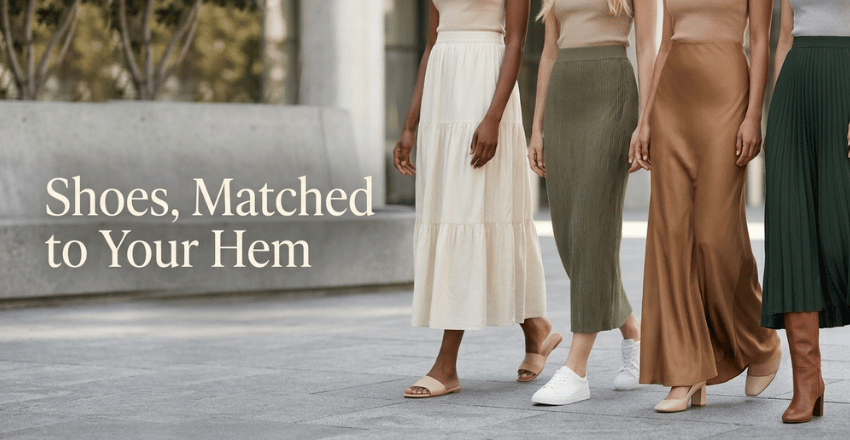
Shoe height and hem length are one decision. Buy the hem for the shoes you wear four days out of five, then keep the rest of your rotation at that same heel height.
- Flat sandals: ankle hem, nothing longer, or the back edge drags.
- Sneakers: ankle hem with a slim or straight cut, so the shoe still reads as part of the outfit.
- 2-to-3-inch block heel: floor length, hemmed specifically for that heel.
- Tall boots: any hem that clears the boot shaft by a few inches.
Suede boots take the worst of a wet winter under a long hem, so learn to clean suede shoes without wrecking the nap before salt marks set in.
What These Skirts Cost in 2026
Mass market sits between $35 and $50. Old Navy holds twill and cotton versions right at $39.99 most of the year, and they survive a season or two of real wear. Contemporary labels run from $90 to $180.
That band buys a lining, a proper hem finish, and heavier cloth. When we checked Free People in July 2026, its own range started at $50 for a bias slip and ran to $178 for denim. Most styles sat near $128. Above $230, you are paying for leather, silk, or a name. Worth it for leather. Rarely worth it for a printed cotton. There is more on this in Bikinis.
How to Style It by Occasion
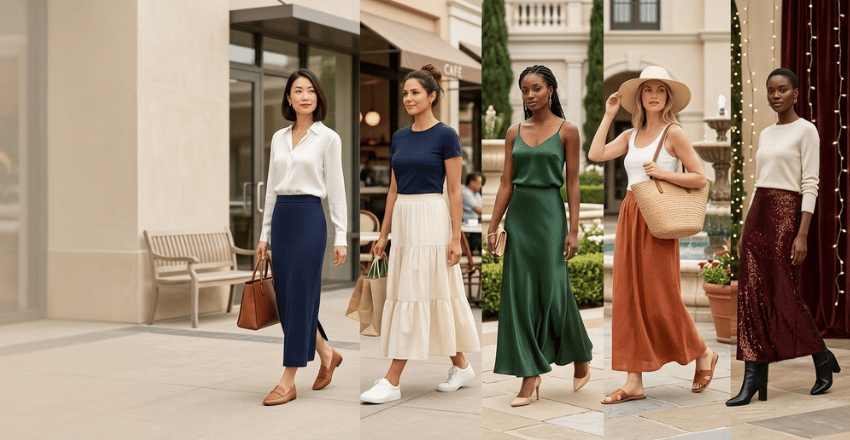
Office. Column shape, mid-weight fabric, tucked shirt, loafers. Nothing sheer, nothing tiered.
Weekend errands. Tiered cotton, plain tee, white sneakers, done in four minutes.
Wedding guests. Satin or chiffon in one solid color, heels, small bag. For a coastal ceremony, the fabric rules match the ones behind these beach wedding dress silhouettes: choose cloth that handles sand and wind and skip anything that needs both hands.
Vacation. Linen or rayon, flat sandals, packs down to nothing in a carry-on.
Holiday party. Sequin or velvet on the bottom, plain fine-gauge knit on top, boots underneath.
Before you order anything, measure your natural waist to the floor in the shoes you plan to wear and subtract half an inch. Shop that number instead of a size chart. It decides whether the thing hangs in your closet or gets worn every week.
FAQs
Between mid-calf and the floor, most brands spec at 36 to 42 inches from waist to hem. Your own waist-to-floor measurement beats any size chart, since a 40-inch cut sits at the ankle on one person and puddles on another.
Yes, with two adjustments. Take the hem to ankle length and keep the waistband visible with a cropped or tucked top. One color from waist to hem helps too, and a front slit does more for the leg line than any print.
Ankle boots under a hem that clears them, or tall boots under a floor-length cut. Both need a hem short enough to stay out of slush, which is the argument for owning one long skirt hemmed for boots and another for flats.
Three fixes handle nearly every case: show the waistband, keep volume on one half of the body only, and get the hem clearance right. Frumpiness is almost always a proportion error, not a fabric or color error.
They are. The spring 2026 trend roundups pushed knee-length, slip and lace-trimmed shapes, and barely mentioned the long version. Retailers ignored that. They kept full maxi categories running all year, from $39.99 to $400 leather.