
What to wear to an interview comes down to matching the workplace, then stepping up one level. Choose clean, well-fitting clothes, polished shoes, and one structured layer when the setting is unclear. Your outfit should let the conversation stay center stage.
Quick answer
When you are unsure of the dress code, wear tailored pants, a neat top, polished closed-toe shoes, and a blazer or cardigan. For a formal office, add a suit. For a creative or field role, use a clean version of what people wear to work.
TL;DR
- Research the workplace, then dress one level more polished than the everyday norm.
- Fit, clean fabric, and tidy shoes matter more than adding unfamiliar pieces.
- For most uncertain settings, tailored pants plus a finished top is a safe starting point.
- Test the outfit while sitting, walking, and on camera before the meeting day.
Use the one-level-up rule
Start with the company’s own photos, team pages, and social posts, because they can show how people actually dress during a regular workday. Look at people doing the type of job you want, not a staged leadership portrait that may have been planned for a fundraising event, annual report, or formal announcement. If the office appears casual, choose polished casual. If the office is business casual, add a blazer or suit jacket to give your outfit a little more structure without making it feel stiff.
This one-level-up rule gives you a useful answer when the workplace dress code is unclear, especially when the invitation offers no clue beyond a location and time. It keeps you from arriving in weekend clothes while avoiding a formal costume in a relaxed environment. When you cannot research the company, tailored pants and a button-down or blouse are a dependable middle ground.
Keep the palette quiet.
| Work setting | Reliable starting point | Useful finishing touch |
|---|---|---|
| Traditional office | Suit or blazer with tailored pants | Leather shoes and a simple bag |
| Business casual office | Tailored pants, blouse, or button-down | Structured cardigan or blazer |
| Creative workplace | Clean dark denim or tailored pants with a polished top | One personal accessory |
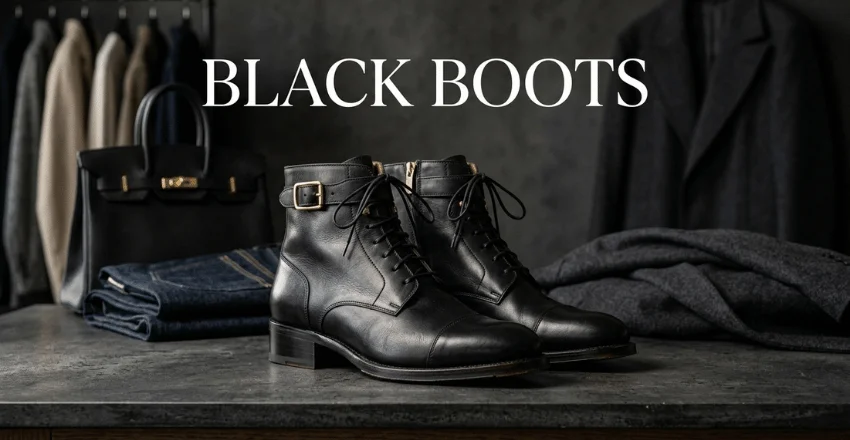
| Trade or field role | Clean workwear and a collared shirt | Well-kept work boots |
| Video call | Solid top with a collar or finished neckline | Camera test in your lighting |
Outfit formulas that work without overthinking
For women: tailored pants, a finished top, and loafers
Try navy, charcoal, or black tailored pants with a blouse, knit, or button-down that feels comfortable when you sit, stand, and reach across a table. Add loafers, clean flats, or a low block heel. Bring a blazer for a more traditional office, then take it off after you arrive if the room feels relaxed.
For more office-ready options, see these business casual wardrobe pieces for women. The goal is structure, not a particular body shape or a full matching suit.
For men: a collared shirt, tailored pants, and polished shoes
Choose a light button-down with navy or charcoal trousers for a dependable office formula that will not distract from your introduction or your answers. Add a blazer when the role is client-facing, or the company looks formal. Consider a tie for a suit-focused workplace, while a clean open collar fits many business casual settings.
Keep patterns subtle. A small stripe or quiet check is fine, but a bold shirt can pull attention away from your introduction.
For any style: a simple starter outfit
You do not need a new wardrobe for one meeting, especially if your closet already holds a few clean basics that fit comfortably and feel like you. Start with dark tailored pants or an ironed, unwrinkled dark pair of jeans if the workplace is clearly casual. Add the neatest collared shirt, blouse, knit, or plain top you already own. Finish with clean shoes.
Fit is the upgrade that people notice first. Pants should stay comfortable when you sit. Sleeves should not pull when you reach forward. Nothing should need constant adjustment.
Comfort reads as confidence.
Can I wear jeans to an interview?
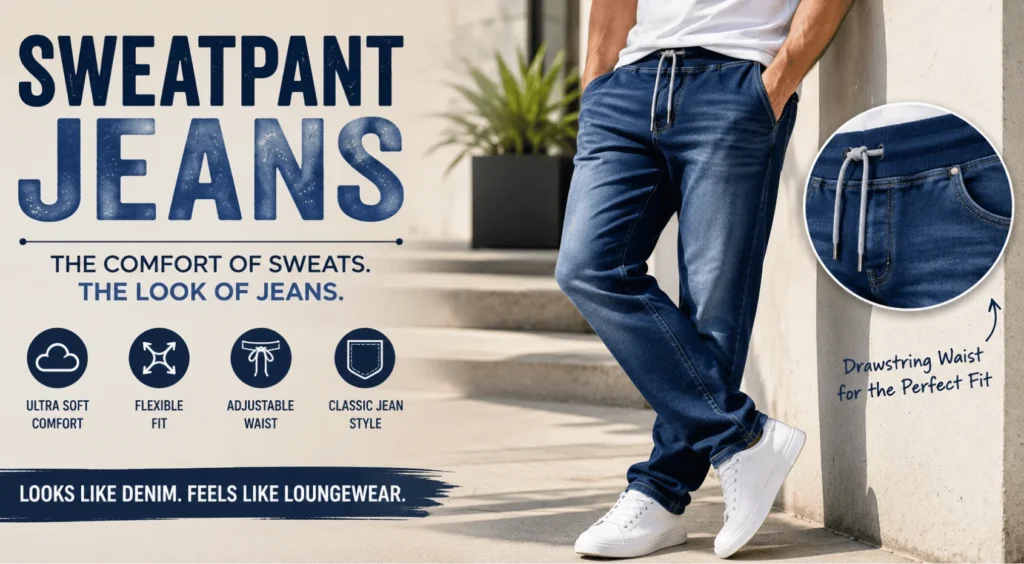
Yes, but only when the company’s setting clearly supports them. Choose dark, clean denim with no rips or fading, and avoid an oversized fit. Pair it with a structured top and polished shoes. If you are deciding between jeans and tailored pants, tailored pants are the safer choice.
A formal office, a client-facing role, or an unknown setting calls for trousers or a skirt instead. Save light wash denim, shorts, athletic pants, and distressed pieces for another day.
Choose shoes for the whole trip
What shoes should I wear to an interview? Pick a pair that looks polished and lets you walk from transit, parking, or a lobby without limping. Loafers, flats, clean leather shoes, or low block heels cover most situations.
Use this guide to women’s loafers for polished outfits as a comfortable alternative to heels. Suede can look refined, but check it for marks before you leave.
Leave running shoes, flip-flops, high platforms, and worn footwear at home. The right shoe does not need to be special. It simply needs to look intentional and stay comfortable.
What to wear for a video call
Video call clothing still matters because your top half fills the screen. Wear a solid color with a collar, a neat neckline, or a simple blazer. Avoid tight patterns that flicker on camera and anything that blends into the background.
Do a seated-and-camera test before the call. Check your shoulders, your lighting, and what happens when you stand to reach for a notebook. Wear complete clothes below the desk too. It prevents an awkward surprise if you need to move.
Let the camera see a clear neckline.
Adapt the outfit for weather and travel
Plan the journey as carefully as the meeting itself. A polished outfit can change after a crowded train, a long walk from parking, or a sudden downpour. Choose layers that travel well and can be adjusted when you arrive.
In warm weather, use breathable fabrics and bring a structured layer in a tote or garment bag. Put it on after you reach the building. This keeps the outfit crisp without making the commute uncomfortable.
In cold weather, choose a simple coat that fits over a blazer without crushing the shoulders. Keep a compact umbrella nearby. Wet outerwear belongs in the lobby, not in the meeting room.
For a long commute, carry your polished shoes and change near the building if needed. A clean pair of socks can make the final switch easier. Small preparation protects the details that make an outfit look finished. Use these tips for cleaning suede shoes at home if your shoes need attention.
Arrive a few minutes early.
What to avoid wearing to an interview
Avoid anything stained, wrinkled, sheer, torn, or difficult to sit in. Skip noisy jewelry, strong novelty graphics, sunglasses on your head, and clothes that need constant readjustment. These details can distract you when you want to focus on the conversation.
Do not wear unfamiliar shoes or a new outfit for the first time that morning. Wear the pieces for a short errand first. You will learn whether the fabric bunches, the waistband digs in, or the shoes rub.
Do a dress rehearsal the day before
Put on the entire outfit at the time you plan to leave. Sit in a chair, climb a few stairs, and put your bag on one shoulder. These small movements reveal problems that a mirror cannot show.
Check the outfit in daylight and under indoor light, because dark colors, sheer fabrics, and shiny jewelry can change once you leave your bedroom mirror.
Then take a photo from a few feet away.
The photo makes wrinkles, lint, uneven hems, and scuffed shoes easier to spot. It also shows whether the layers work together, so you can make one calm adjustment before the day becomes busy.
Pack a lint roller, a small stain wipe, and a weather-appropriate outer layer. Keep them by the door with your bag. Preparation feels quiet, but it gives you more room to concentrate once the meeting starts.
Comfort is part of polish.
Final check before you leave
Lay everything out the night before, including socks, underlayers, a bag, and a weather layer. Check for lint, loose threads, and marks. Then sit, stand, and walk in the complete outfit.
Your outfit should support your confidence, not become another thing to manage. A clean, comfortable, well-fitted look will always feel more convincing than something overly formal that does not feel like you.
FAQs about what to wear to an interview
Wear tailored pants, a neat top, closed-toe shoes, and a blazer or structured cardigan. This outfit is polished enough for most offices without looking out of place in a relaxed one.
A suit works well for formal offices and client-facing roles. For a business casual setting, tailored pants with a blouse, knit, or blazer often feel more natural.
A tie fits a suit-focused workplace. For many business casual offices, a clean button-down and blazer without a tie is enough. Let the company’s usual level of formality guide you.
Usually, no. A relaxed creative setting may accept clean leather sneakers, but loafers, flats, boots, or dress shoes are safer when you are unsure.