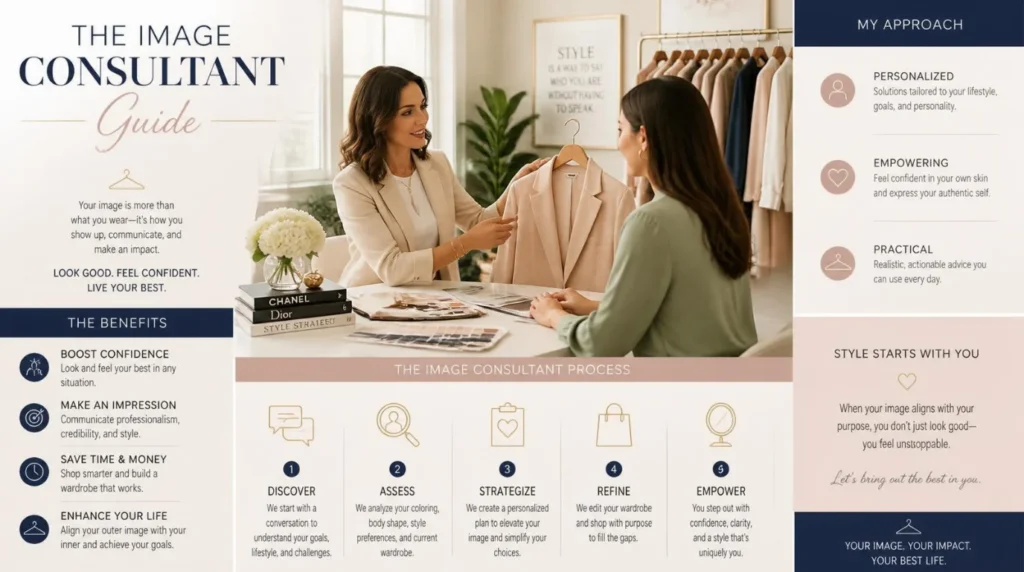

A fashion stylist builds complete looks for people, brands, publications, and visual productions. The work involves much more than choosing attractive clothes. Strong styling combines creative judgment, preparation, communication, sourcing, and practical problem-solving.
Direct answer: A fashion stylist selects and coordinates clothing, accessories, and visual details for people, brands, or media projects. The job combines creative direction with research, sourcing, fittings, logistics, and on-set problem-solving. Depending on the niche, stylists may work in editorials, advertising, celebrity appearances, ecommerce, film, or private client services.
| Topic | Quick answer |
|---|---|
| Main responsibility | Create coordinated looks that support a person, story, brand, or creative brief. |
| Common workplaces | Photo shoots, advertising sets, studios, showrooms, events, retail, and private appointments |
| Key skills | Visual judgment, garment knowledge, organization, communication, sourcing, and problem-solving |
| Common specialties | Editorial, commercial, celebrity, ecommerce, wardrobe, and personal styling |
| U.S. salary benchmark | Salary.com listed a $56,992 median on October 1, 2026. |
| Career entry | Portfolio work, assisting, networking, internships, retail experience, and test shoots |
What Does a Fashion Stylist Do?
The daily work changes according to the client and project. Editorial assignments may begin with a photographer’s concept or publication brief. Commercial projects usually require closer attention to brand identity, product visibility, and production needs.
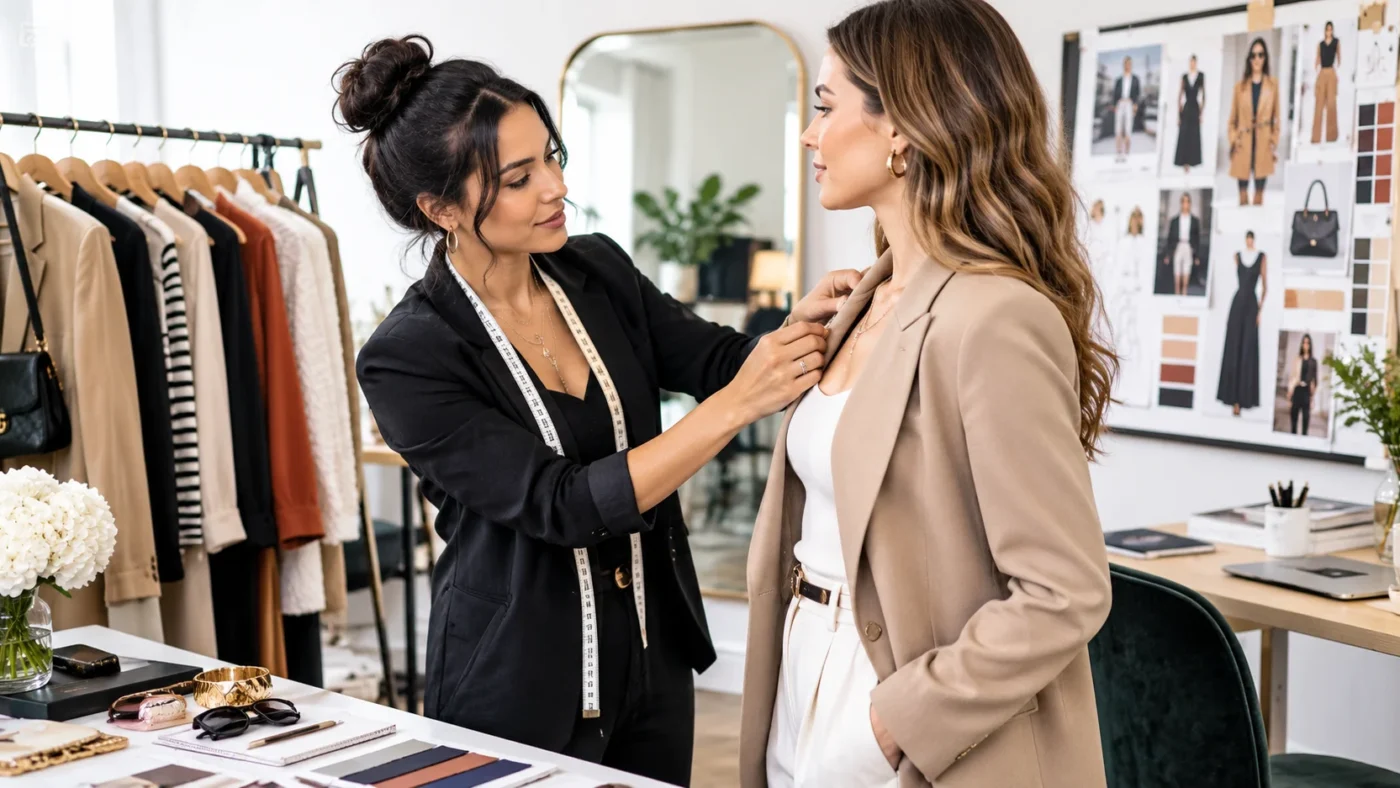
A professional may research references, request samples, collect clothing, organize fittings, and build several outfit options. Shoot days also involve steaming garments, making adjustments, tracking borrowed items, and solving last-minute problems. Afterward, clothing often needs careful packing, documentation, and prompt returns.
According to Indeed’s career overview, common responsibilities include sourcing clothing and coordinating complete outfits. Professionals may also work with photographers, designers, models, and other creative teams. Those responsibilities make organization almost as valuable as visual taste.
The Main Types of Styling Work
Styling is not one single career track. Different specialties require different working environments and client relationships. Knowing these distinctions can make the profession easier to understand.
- Editorial styling: Creates fashion stories for magazines, digital publications, and creative photography.
- Commercial styling: Builds looks for advertisements, catalogs, campaigns, e-commerce, and branded content.
- Celebrity styling: Coordinates clothing for appearances, press events, performances, and red carpets.
- Wardrobe styling: Handles costumes or clothing for television, video, film, and other productions.
- Ecommerce styling: Prepares products and outfits for online retail photography.
- Personal styling: Helps private clients build wearable wardrobes for their daily lives.
Editorial work may prioritize visual impact over everyday practicality. A personal service usually focuses more on lifestyle, comfort, fit, and repeat wear. These differences affect everything from clothing choices to client communication.
People exploring distinctive aesthetics can study how visual elements work together. Styleblor’s goth style guide shows how color, texture, and proportion create a recognizable direction. Its Acubi fashion guide demonstrates similar principles through a quieter aesthetic.
Fashion Styling Versus Personal Styling
Fashion and personal styling overlap, but their usual goals differ. Fashion work commonly supports media, entertainment, advertising, or a defined visual production. Personal services center on an individual’s wardrobe, lifestyle, preferences, and practical clothing needs.
A personal client may need help with shopping, closet editing, workwear, or event clothing. An editorial client may need an image that communicates a theme within one photograph. Sterling Style Academy also distinguishes itself by its clients and working environment.
The distinction matters for aspiring professionals because the skills develop differently. Production work demands comfort with sets, samples, deadlines, and creative teams. Private client work requires deeper attention to fit, routine, budget, and personal preferences.
Skills That Matter More Than Following Trends
Good taste alone does not make someone effective at this job. Professionals must translate an idea into clothing while respecting budgets, deadlines, bodies, products, and production limits. They also need enough flexibility to change direction quickly.
Several abilities consistently matter in this work.
- Understanding color, silhouette, proportion, texture, and garment construction.
- Researching references and interpreting creative briefs.
- Knowing brands, designers, retailers, showrooms, and sourcing options.
- Organizing samples, accessories, fittings, schedules, receipts, and returns.
- Communicating clearly with clients and creative teams.
- Making fast adjustments when clothing, weather, sizing, or schedules change.
- Building professional relationships with photographers, designers, agencies, and publicists.
Trend knowledge still helps, but context matters more. A strong professional knows when an outfit should look current and when timeless clothing works better. Styleblor’s indie aesthetic guide offers a useful example of adapting a recognizable look without copying it literally.
What a Typical Project Can Look Like
A project often starts with a brief describing the audience, mood, products, and final use. The styling professional then researches references and identifies suitable clothing sources. Several options are normally prepared because the first choice may fail during fitting.
Next comes sourcing, which can include retailers, designer showrooms, rental collections, vintage stores, or client wardrobes. Every borrowed piece must be tracked carefully. Accessories, backup sizes, undergarments, and practical tools may also need preparation.
On production day, the work becomes highly physical and detailed. Clothes need steaming, pinning, adjusting, protecting, and monitoring between shots. The professional also watches how fabrics, shapes, and accessories appear through the camera.
How Much Can Stylists Earn in the United States?
Pay varies considerably because the field includes salaried employees and independent freelancers. Location, specialty, experience, clients, and project type can all change earnings. Freelancers may also have business costs that salaried figures do not show.
Salary.com reported a national median of $56,992 annually on October 1, 2026. Its reported 25th and 75th percentiles of $51,758 and $61,713. Treat those numbers as current benchmarks rather than guaranteed earnings.
Freelance compensation can work differently from an annual salary. A professional may charge by project, day, service package, or recurring client arrangement. Published salary figures therefore cannot describe every working model in this field.
How to Start a Styling Career
You need evidence that you can create thoughtful looks and manage a project reliably. A focused portfolio can demonstrate those abilities better than collecting unrelated fashion images. Early work should show range while still making your visual judgment clear.
A practical starting path includes:
- Learn garment fit, color, proportion, fabrics, and basic alterations.
- Study editorial, advertising, retail, and celebrity styling to identify your preferred direction.
- Assist working professionals whenever suitable opportunities become available.
- Build test shoots with photographers, models, and makeup artists.
- Create a concise portfolio showing complete looks and varied assignments.
- Learn professional sample handling, fitting preparation, invoicing, and returns.
- Build relationships with showrooms, retailers, photographers, and other creative professionals.
- Apply for assisting, retail, e-commerce, studio, or production roles that strengthen relevant skills.
Retail experience can be useful because it develops garment knowledge and customer communication. Production assistance can teach set etiquette and sample management. Neither path replaces a portfolio, but both can create useful experience.
Aspiring professionals should also learn how clothing changes across real situations. Styleblor’s guide to what to wear to an interview shows how context affects outfit choices. That same principle appears throughout professional styling work.
Do You Need a Fashion Degree?
There is no single educational route that fits every part of the industry. Some professionals study fashion, design, merchandising, communications, or related subjects. Others enter through assisting, retail, photography, production, or independent portfolio building.
Education can provide structure, technical vocabulary, and industry access. Practical experience still matters because the work involves real garments, people, schedules, and production pressure. Employers and clients will usually want evidence that you can deliver a usable result.
Courses should therefore be judged by the skills and access they provide. Look for real projects, portfolio development, industry mentors, and production experience. A certificate alone cannot replace dependable work.
Frequently Asked Questions
What exactly does a fashion stylist do?
A fashion stylist selects and coordinates clothing and accessories around a specific visual goal. That goal may support an editorial, advertisement, celebrity appearance, video, e-commerce shoot, or private client. The role also includes research, sourcing, fittings, organization, and garment management.
Is styling the same as fashion design?
No, the two jobs perform different functions. Designers create garments or collections, while styling professionals arrange existing pieces into complete visual looks. Both roles can collaborate closely during campaigns, shows, and editorial productions.
Where do styling professionals work?
Work can happen in studios, showrooms, retail environments, client homes, locations, production sets, and event venues. Some people hold staff positions, while others work independently. Freelance professionals may move between several locations during one week.
Is the career competitive?
Fashion-related creative work can be competitive, especially in major media markets. A clear portfolio, dependable behavior, and strong professional relationships can help candidates stand out. Consistent organization also matters because clients need someone they can trust under deadlines.
Can someone specialize in more than one area?
Yes, career paths can overlap as experience grows. Someone might handle e-commerce assignments while assisting on editorials or working with private clients. A clear specialty still makes marketing and portfolio presentation easier.
Building a Career Around More Than Good Clothes
Successful styling depends on understanding why an outfit works for its specific purpose. Creative instinct matters, but preparation and reliability keep projects moving. The strongest professionals combine both sides of the job.
If this career interests you, start by studying clothing closely and producing small portfolio projects. Treat every shoot as practice in communication, organization, and visual decision-making. Those habits create a stronger foundation than chasing trends alone.