
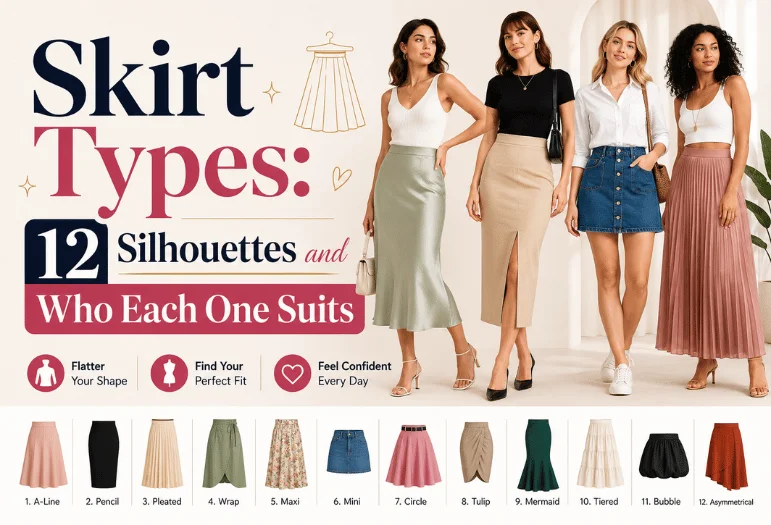
A skirt falls into one of twelve core shapes: A-line, pencil, straight, circle, pleated, wrap, tiered, slip, mermaid, tulip, cargo, and denim. Everything else on page one of a search is a variation of those twelve, renamed or restyled.
Length is a separate decision in skirt types, and it changes your outline more than the shape does. What follows is each silhouette, how long it runs in inches, who it flatters, and roughly what you pay for it.
| Silhouette | What it does to your outline | Typical hem | Pairs with | Mass-market price |
| A-line | Fitted waist, steady flare to the hem | 20 to 28 in | Fitted tee, boots | $30 to $50 |
| Pencil | Follows waist and hip, tapers at the knee | 22 to 25 in | Tucked knit, pointed flats | $35 to $60 |
| Straight | Drops from the hip with no flare and no taper | 22 to 30 in | Oversized shirt | $30 to $55 |
| Circle | A full round of cloth that swings as you walk | 24 to 30 in | Cropped jacket | $40 to $70 |
| Pleated | Folds release width across the hip | 26 to 32 in | Sweater, sneakers | $40 to $70 |
| Wrap | Front overlap, ties to your own waist measurement | 24 to 40 in | Bodysuit, sandals | $35 to $65 |
| Tiered | Stacked panels, volume builds downward | 30 to 42 in | Fitted tank | $35 to $60 |
| Slip (bias) | Cut on the diagonal, skims and moves | 28 to 36 in | Chunky knit, boots | $40 to $80 |
| Mermaid | Close through the thigh, flares below the knee | 30 to 38 in | Plain top, heels | $50 to $90 |
| Tulip | Overlapping front panels curve inward at the hem | 18 to 22 in | Blazer | $40 to $70 |
| Cargo | Utility pockets on a straight or A-line base | 16 to 34 in | Baby tee, sneakers | $30 to $55 |
| Denim | Rigid or stretch cloth in any shape above | 14 to 34 in | Almost anything | $30 to $60 |
Key takeaways
- Five shapes cover a normal wardrobe: A-line, pencil, straight, pleated, and a bias slip.
- Hem measurements in inches beat the label. A midi runs 24 to 28 inches, which lands very differently at 5 feet 2 and 5 feet 9.
- Fabric weight decides whether a shape holds or clings. Twill, ponte, and denim hold. Rayon and thin jersey cling.
- Expect $30 to $50 at mass-market stores, $60 to $120 mid-market, $130 to $250 contemporary.
- The waistband and the vent decide comfort more than the number on the tag.
The Twelve Shapes, Grouped by What They Do
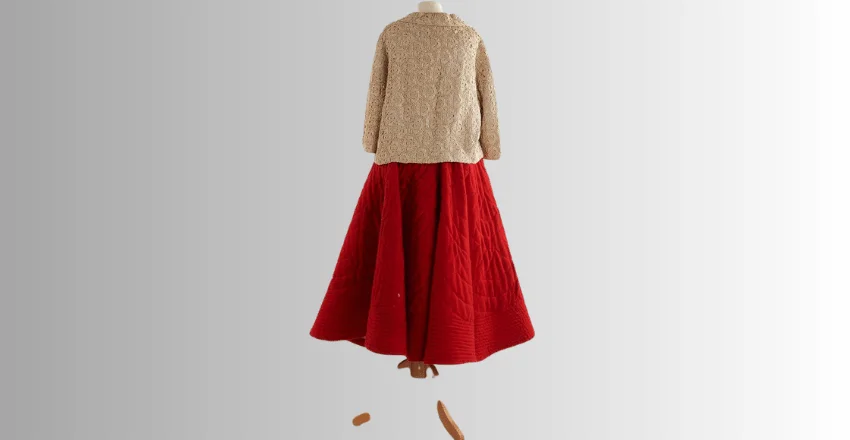
Grouping beats memorizing. The main shapes split into three families: cuts that hold cloth away from the body, cuts that follow it, and cuts that add width low down. What a style is called matters far less than which family it sits in.
Which five cover a normal wardrobe?
Fewer than the internet suggests. An A-line, a pencil or straight cut, a pleated midi and a bias slip handle work and weekends between them. Add denim if you dress casually five days a week.
The other seven are style choices rather than gaps. Mermaid and tulip cuts read as occasion pieces, and a circle cut is a mood, not a staple.
What separates an A-line from a circle?
Both flare. What differs is how much cloth sits in the flare and where the flare starts.
An A-line uses two or four panels and grows steadily from the waist, so it holds a clean triangle even in stiff cotton twill. A circle cut uses a full round of fabric, so it folds and sweeps as you move. Circle cuts need length to look deliberate, usually 24 inches or more.
Where do pleats and tiers fit in?
Both add width, in different places. Pleats release from the waistband and open across the hip, which is why a pleated midi softens a straight figure. Tiers stack width downward instead, so the volume lands nearer the calf.
For the construction detail, our guide to how pleat depth adds volume covers knife, box, and sunburst folds properly.
Length in Inches, Not Adjectives
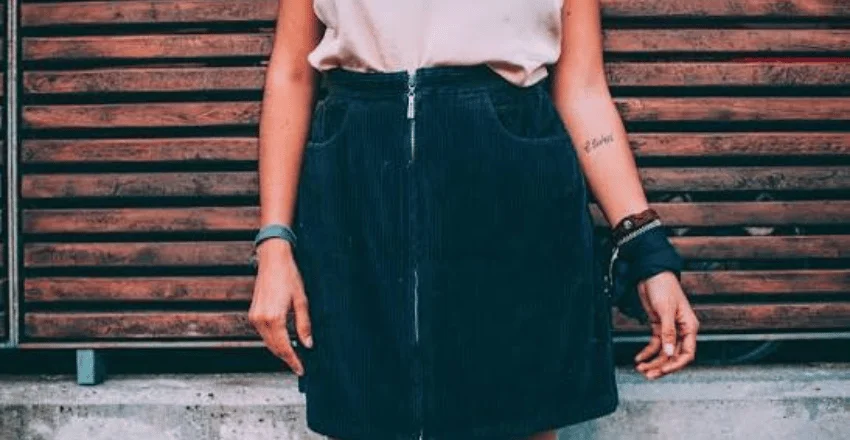
Brands use “midi” for anything from below the knee to the ankle. One skirt labeled midi can run four inches longer than another on the same rack. Ask for the hem measurement, taken from the waistband seam straight down.
What do the standard hems measure?
| Name | Hem from waistband | Where it lands |
| Micro | 12 to 14 in | Upper thigh |
| Mini | 15 to 17 in | Mid thigh |
| Above knee | 18 to 19 in | Just above the kneecap |
| Knee | 20 to 23 in | At or just under the knee |
| Midi | 24 to 28 in | Below the knee to mid calf |
| Tea | 29 to 34 in | Widest part of the calf to the ankle |
| Maxi | 41 to 45 in | The ankle bone |
| Floor | 46 in and up | Brushing the floor in heels |
Those figures assume a waistband sitting at the natural waist. A low-rise cut takes two or three inches off the same label. That is how a mini and an above-knee hem end up on the same hanger.
Does your height change the number?
Yes, and more than most guides admit. Brands typically spec a midi around 26 to 28 inches in a size medium, drafted on a fit model near 5 feet 8.
At 5 feet 2, that same garment reads as tea length and crosses the leg at the calf. At 5 feet 10, it sits just under the knee. Petite sizing shortens the hem by about two inches, and those two inches are the whole difference between the two looks. So pick a length by measurement, not by the word on the tag.
Which Skirt Shape Suits Your Body?
Fit advice gets prescriptive fast. The useful version is short: match where a cut adds width to where you want width. Everything else is preference.
How do I match a shape to my figure?
- Pear: A-line and wrap cuts, fitted at the waist with the flare starting above the widest part of the hip.
- Hourglass: pencil and bias slip cuts, which follow the waist-to-hip line instead of hiding it.
- Rectangle: pleated and tiered shapes, because released width at the hip builds a curve that a straight cut cannot.
- Apple: straight and soft A-line cuts on a waistband that sits at or just below the natural waist.
- Petite: mini through knee length, or a true midi worn high with a front slit.
- Tall: tea and maxi lengths, and always check the hem measurement before ordering online.
Does the same logic apply to dresses?
It does, and formalwear proves it. A-line and fit-and-flare shapes dominate beach wedding gown silhouettes for the same reason they work in daywear. Volume below a defined waist suits the widest range of figures.
Fabric, Lining and Waistbands Do the Real Work

The same skirt pattern in twill and in rayon gives you two different garments. Cloth decides the result, and it is the part a product photo hides.
Which fabrics hold their shape, and which cling?
Cotton twill, denim, ponte, wool suiting, corduroy and faux leather hold. They keep an A-line triangular and a pencil smooth over the hip. Silk, satin, viscose, rayon and thin jersey drape instead, which flatters a bias cut and exposes a fitted one.
Lining is the fix nobody mentions. Stitched-in cotton or Bemberg lining stops static cling, while a cheap polyester lining causes it. Pale colors need a lining regardless of the fabric on top.
The two-minute fitting room test
- Sit down and count to ten. A waistband that digs in, or a hem that rides past mid-thigh, means you size up.
- Walk five steps. A shortened stride means the vent is too short, and a straight or pencil cut needs six to eight inches of it.
- Turn sideways. Horizontal drag lines across the hip mean the garment runs one size tight, whatever the tag says.
- Bend at the waist and watch the closure. Button gaps and zipper strain show up here first.
Waistbands matter as much as the cut. Fitted bands with an invisible side zip give the cleanest line and no stretch to hide behind. Elastic at the back with a flat front forgives a size either way. Full elastic is comfortable and adds bulk at the waist, so sizing runs looser than the label suggests.
Styling and Price
Two questions decide most purchases: what goes with it, and what should it cost. Here are both.
What goes on top?
Balance the volume. Full cuts want something close on top, a fitted tee, a tucked knit, a cropped jacket. Narrow cuts want the opposite: an oversized shirt or a chunky sweater, half-tucked so the waist still reads.
Which shoes suit which hem?
One rule holds up. Never end a boot at the same point your hem ends; go above or below it.
Minis take any shoe. Knee and midi lengths read longer with a pointed flat or a loafer. Maxi lengths want about half an inch of clearance, so heels or platform sneakers.
What should you expect to pay?
Most of what we saw in July 2026 sat in three bands. Mass-market retailers like Old Navy and Target run $30 to $50 for cotton and denim cuts. Mid-market labels such as J.Crew, Madewell and Abercrombie sit at $60 to $120, usually with a proper lining and heavier cloth. Contemporary names including Anthropologie and Reformation run $130 to $250.
Pay for construction, not the label. One lined wool midi at $140 outlasts four unlined $35 versions. A bias slip earns the jump too, because cheap bias cutting twists at the seam within a season. For more on building around these pieces, browse the rest of our fashion coverage.
Start with the table at the top. Pick the two cuts that add width where you want it. Check the hem measurement before you buy, and let the rest stay a reference you come back to.
Skirt FAQs
An A-line at knee or midi length in a mid-weight cloth. It works with flats and with heels. Tucked or loose, the top barely matters, and it suits more figures than any other cut.
Yes. The midi has held for six seasons now. The 2026 version reads a touch longer, closer to 28 inches, and often carries a front slit.
Swap it, or wear a slip in a natural fiber. Anti-static spray fixes one wear. Rayon linings cling worst in dry winter air, which is when most people notice the problem.
Above the knee up to about 24 inches, or a full maxi. Skip the 26 to 30 inch range, since it crosses the leg at its widest point and shortens the line.
It can. Choose denim or ribbed knit rather than suiting. Add a T-shirt and sneakers, and the formality drops away.