
A casual chic dress code asks you to look polished without looking formally dressed. Think tailored pieces mixed with comfortable wardrobe staples and refined shoes. The finished outfit should feel intentional, relaxed, and appropriate for the setting. Quick answer: Casual chic combines relaxed clothing with one or two polished elements. Women can pair tailored pants with a blouse, knit, or simple dress. Men can choose chinos or trousers with a polo, button-down, or fine knit. Finish with clean, refined shoes and restrained accessories.
| Style Question | Safest Choice |
|---|---|
| Formality level | More polished than everyday casual |
| Women | Midi dress, tailored pants, skirt, blouse, refined knit |
| Men | Chinos, trousers, button-down, knit polo, optional blazer |
| Jeans | Dark, clean, fitted denim can work |
| Shoes | Loafers, flats, boots, dressy sandals, minimal sneakers |
| Avoid | Gym wear, distressed denim, flip-flops, sloppy basics |
| Best clue | Match the venue, time, season, and occasion |
Key Takeaways
* Build the outfit around one relaxed piece and one polished piece. * Prioritize good fit, clean fabrics, and intentional footwear. * Dark jeans can work when the rest of the outfit looks refined. * Minimal sneakers may suit relaxed settings, but polished shoes are safer. * A blazer helps, but you usually don’t need a full suit. * Evening events generally support richer fabrics and dressier accessories.
What Does the Casual Chic Dress Code Mean?

The casual chic dress code sits between ordinary casual clothing and dressed-up eventwear. It asks for effort without the structure of cocktail or formal attire. You should look prepared for the occasion rather than dressed for errands. The easiest formula mixes one polished item with something more relaxed. Try tailored trousers with a soft knit or dark jeans with a structured blazer. That contrast keeps the outfit comfortable while making it look considered. Fit matters more than adding expensive or trendy pieces. A clean shirt and well-fitting trousers often look sharper than an elaborate outfit. Wrinkles, worn shoes, and overly loose pieces can make otherwise good clothing appear too casual.
Casual Chic vs. Smart Casual vs. Cocktail Attire
These dress codes overlap, which explains much of the confusion. Casual chic usually emphasizes stylish polish without requiring formal tailoring. Smart casual can feel slightly more practical, while cocktail attire moves clearly toward celebration wear.
| Dress Code | General Feel | Typical Women’s Look | Typical Men’s Look |
|---|---|---|---|
| Casual | Relaxed | Jeans, T-shirt, sundress | Jeans, T-shirt, polo |
| Smart casual | Neat and versatile | Trousers, blouse, dark denim | Chinos, shirt, polo |
| Casual chic | Relaxed with style | Tailored separates, midi dress | Chinos, knit polo, optional blazer |
| Cocktail | Polished and festive | Cocktail dress, jumpsuit | Suit or tailored blazer |
If the invitation suggests something dressier, move toward structured fabrics and polished footwear. Styleblor’s cocktail attire coverage can help with those more formal events. Black-tie guidance is better when an invitation specifically requests evening formalwear.
What Women Can Wear
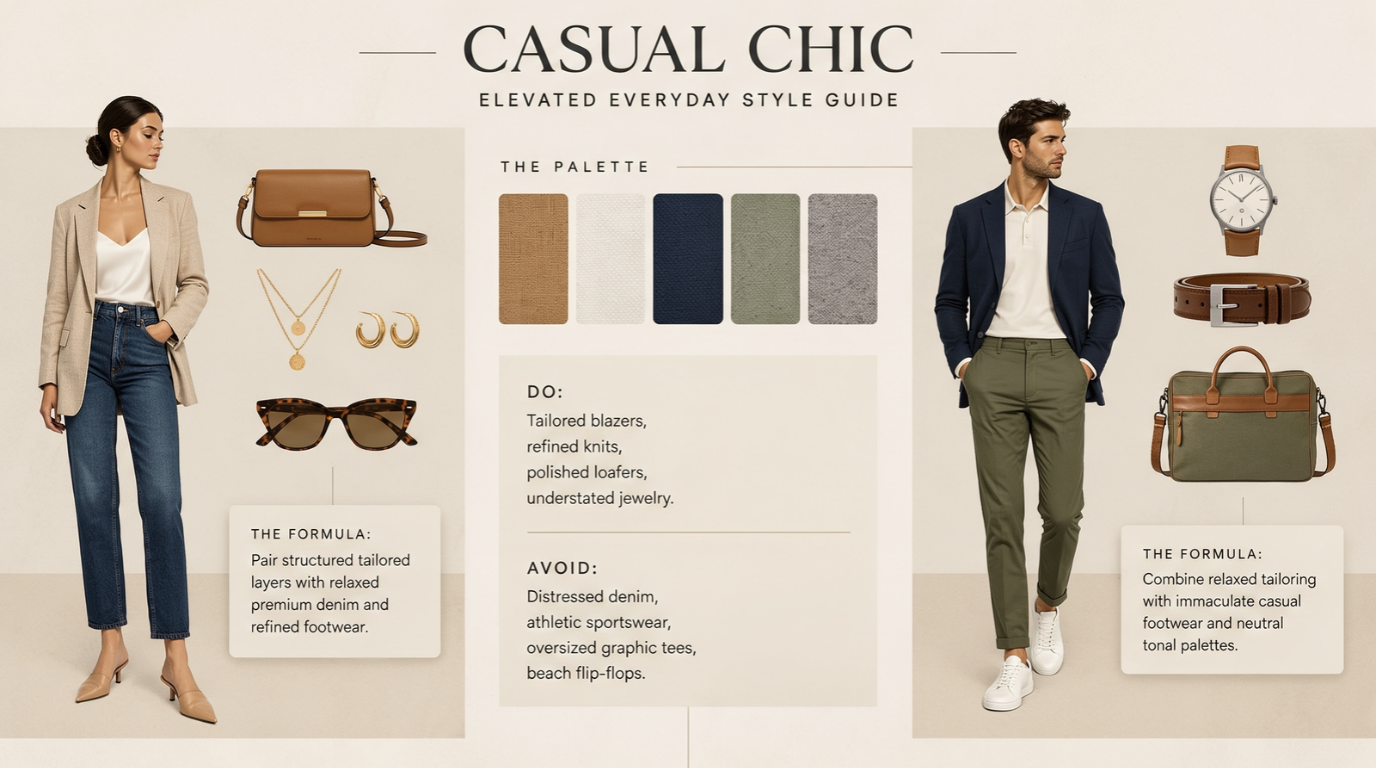
A reliable women’s outfit begins with a polished base. Tailored wide-leg pants, a midi skirt, or a simple dress all work well. Pair them with a blouse, fitted knit, cardigan, or clean structured jacket. Dresses are useful because they reduce the number of styling decisions. Look for midi, wrap, shirt, or simple A-line shapes in good condition. Avoid designs that look like beach cover-ups or formal evening gowns. Accessories can change the tone without changing the entire outfit. A structured bag, understated jewelry, or a slim belt adds finish. Keep the pieces coordinated so the outfit still feels relaxed.
Easy Women’s Outfit Formulas
* Tailored trousers + fitted knit + loafers + structured bag. * Dark straight-leg jeans + blouse + blazer + ballet flats. * Midi dress + cropped cardigan + low heels. * Midi skirt + tucked shirt + ankle boots. * Jumpsuit + simple jewelry + block-heel sandals.
For a daytime lunch, lighter fabrics and softer colors can feel natural. Evening plans support deeper colors, sharper shoes, and slightly stronger accessories. The basic formula stays the same throughout the day.
What Men Can Wear
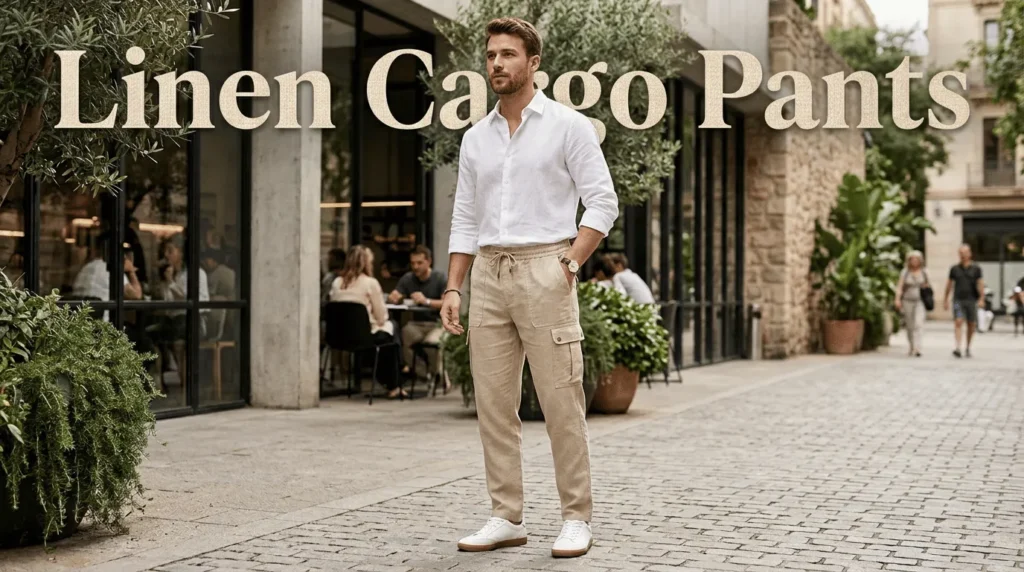
Men can start with chinos, tailored trousers, or clean dark denim. Add a button-down shirt, fine knit, polo, or simple crew-neck sweater. A blazer is useful when the setting feels slightly dressier. You usually don’t need a tie for this level of dressing. An open collar often keeps a blazer from looking too corporate. Clean lines and restrained colors make the outfit easier to balance. Shoes can determine whether the outfit looks intentional or unfinished. Loafers, Chelsea boots, suede derbies, and clean minimal sneakers can work. Athletic running shoes usually pull the look too far toward everyday casual.
Easy Men’s Outfit Formulas
* Navy chinos + white button-down + brown loafers. * Tailored trousers + knit polo + suede shoes. * Dark jeans + Oxford shirt + unstructured blazer. * Chinos + fine sweater + leather sneakers. * Dress trousers + polo + loafers + simple watch.
For warmer weather, cotton and linen blends help keep the outfit comfortable. Cooler months work well with wool trousers, knitwear, suede, and textured jackets. Seasonal fabrics add interest without making the outfit feel formal.
Can You Wear Jeans?
Yes, jeans can fit this style when the setting allows them. Choose dark or medium-dark denim with a clean finish and flattering fit. Avoid heavy fading, large rips, frayed hems, or oversized distressed styles. The rest of the outfit should provide the polish denim lacks. Add a blouse, fitted knit, button-down, blazer, or refined jacket. Finish with shoes that look deliberate rather than purely practical. For weddings, upscale restaurants, or unfamiliar venues, trousers are usually safer. The host may interpret the dress code more formally than you do. Choosing tailored pants removes that uncertainty without making you look overdressed.
Can You Wear Sneakers?
Sneakers can work at the relaxed end of the dress code. The safest versions are clean, minimal, and made in simple colors. Large running shoes or visibly worn sneakers usually look too sporty. Balance sneakers with sharper clothing elsewhere. Tailored trousers, a structured jacket, or a polished top can keep the outfit intentional. Avoid combining sneakers with several other relaxed pieces. When the event takes place at an upscale restaurant or evening venue, switch to dressier footwear. Loafers, boots, flats, slingbacks, or low heels provide more polish. Shoes are often the easiest way to adjust formality.
How to Dress for Different Occasions
A dinner at a good restaurant usually calls for the middle of the range. Women can choose tailored separates or a midi dress. Men can wear chinos or trousers with a polished shirt or knit. Work-related events need slightly more restraint. Avoid overly revealing cuts, distressed denim, and loud graphics. Styleblor’s interview outfit guidance offers useful ideas for professional settings requiring extra polish. Vacation settings often allow lighter fabrics and more relaxed silhouettes. Linen shirts, flowing dresses, refined sandals, and tailored shorts may work in warm climates. Styleblor’s resort casual guide covers those destination-specific differences in greater detail. For weddings, follow the invitation before applying general style rules. Some hosts use relaxed wording while expecting guests to dress for photographs and celebrations. When uncertain, choose the slightly dressier option.
The One-Polished-Piece Rule
A simple way to build an outfit is to identify its most polished element. That might be a blazer, tailored pants, elegant shoes, or a structured dress. Let the other pieces support it instead of competing for attention. For example, dark jeans become more appropriate beside loafers and a blazer. Tailored trousers feel less corporate with a soft knit and minimal sneakers. This method makes existing wardrobe pieces easier to reuse. The rule also prevents accidental overdressing. You don’t need heels, jewelry, tailoring, and formal fabric all at once. One strong polished element often provides enough structure.
Common Mistakes to Avoid
The first mistake is treating “casual” as permission to wear anything comfortable. Gym clothing, sloppy T-shirts, stained sneakers, and damaged denim rarely fit. Comfort should come from fit and fabric rather than neglect. The opposite problem is dressing too formally. A tuxedo, evening gown, or conservative business suit can feel misplaced. Save those choices for dress codes that specifically ask for them. Another mistake is ignoring the venue. A gallery opening, backyard celebration, restaurant dinner, and workplace event create different expectations. Check the invitation, venue photographs, start time, and weather before deciding.
A Simple Outfit Checklist
Before leaving, check the outfit as a complete picture rather than inspecting each piece alone. One casual item won’t ruin the look if everything else supports it. Several relaxed items together can make you appear underdressed. Ask whether the clothes fit properly and look clean. Check whether your shoes suit the location and expected walking. Finally, remove or replace anything that looks clearly athletic, damaged, or excessively formal. You should feel comfortable enough to move naturally. You should also look prepared for photographs or introductions. That balance is the clearest sign you have landed in the right place.
Build Your Outfit Around the Occasion
Getting this style right doesn’t require buying a new wardrobe. Start with clothes that fit well, then add one element that makes them feel intentional. Pay special attention to footwear, fabric condition, and the setting. Use the venue and invitation to decide whether to go dressier or more relaxed. Styleblor’s wider dress-code guides can help when the event calls for cocktail, resort, or black-tie clothing. Once the formality is right, let your personal style handle the details.
Frequently Asked Questions
What is a casual chic dress code?
A casual chic dress code means relaxed clothing styled with enough polish for a social or professional setting. Think tailored pieces, clean shoes, good fit, and restrained accessories. It sits above everyday casual without reaching cocktail-level formality.
Is casual chic the same as smart casual?
They are closely related, and hosts may use the terms interchangeably. Casual chic often places slightly more emphasis on style and visual polish. Smart casual can lean toward practical workplace or everyday clothing.
Can women wear leggings?
Standard workout leggings usually look too casual for most events. Structured ponte pants can work because they resemble tailored trousers. Pair them with a polished top, jacket, and refined footwear.
Do men need a blazer?
A blazer isn’t required for every setting. It becomes useful for evening dinners, nicer venues, and work-related gatherings. A sharp knit polo or button-down can work without one.
What colors work best?
Neutral colors are reliable because they mix easily and look polished. Navy, black, cream, camel, gray, olive, and white provide flexible foundations. You can add color through one shirt, accessory, shoe, or patterned piece.
What should I wear if the invitation is unclear?
Choose the slightly dressier interpretation when you aren’t sure. Tailored trousers, a polished top, and refined shoes create a dependable starting point. You can remove a jacket or accessory if the room feels more relaxed.